“Random encounters with the unusual” is a repository for the oddities that me and Mrs J have encountered on our travels, which we find interesting or amusing in some way. Have a look, maybe you will find something interesting or amusing herein.

Showing posts with label Nottinghamshire. Show all posts

Friday, 12 April 2013

Major Oak and Simulacrum

The tree pictured below is the “Major Oak”, which is a large and ancient English Oak tree that can be found in Sherwood Forest in Nottinghamshire. According to Robin Hood lore, the oak was a place of shelter for Robin Hood and his associates. The tree is estimated to be around 800 to 1000 years old, have a mass of 23 tons and its trunk is 10 meters in circumference.

Due to the tree’s immense size, its limbs have had to be supported by a system of scaffolding, which was erected during the Victorian era. It is not known how the tree became so huge, but two potential theories include: the tree may in fact be several trees that were fused together when saplings; or that the tree was possibly pollarded (a system of pruning aimed at stimulating continuous new growth of wood), which caused the trunk to grow large and thick.

The Major Oak is one of fifty “Great British Trees”, the rest of which I shall look out for on my travels.

Major Oak. 
Major Oak.
While wandering Sherwood Forest I also came across the below Simulacrum, that reminded me of some form of cartoon character. While probably not good enough for the Fortean Times Simulacra Corner, it certainly caught my eye!

Can you see the face?

Pictures, Nottingham (January 2013).

If you find this post interesting please share it using the buttons below.

Wednesday, 30 January 2013

Nottingham’s Ancient Boozers

Whilst visiting Nottingham, and following my hankering for a good pint, Mrs J and I came across two rather old pubs, both of which would like to lay claim to being one of the oldest drinking establishments in the country. Old or not, they are certainly worth a look; here is what we found:

Ye Olde Trip to Jerusalem

Ye Olde Trip to Jerusalem lies at the base of Castle Rock, which is a sandstone outcrop on top of which Nottingham Castle is built. A large portion of the pub is carved out of the sandstone, meaning the pub is essentially a building attached to a series of caves. Having a pint in a room carved from the rock face is indeed an interesting experience!

According to the pub sign the pub dates from 1189 AD, and there is some evidence to suggest that the cellars beneath the building (which were originally the castle brew house) date from the same period as the construction of the castle (1068 AD). The main pub building (which is built on the foundations of earlier constructions) is reported to be only about three hundred years old.

Aside from an interesting building and the usual resident ghost, Ye Olde Trip to Jerusalem has a number of other interesting features:

A "secret passage" - the pub is reported to have a tunnel (now closed off) which once connected it to the castle.

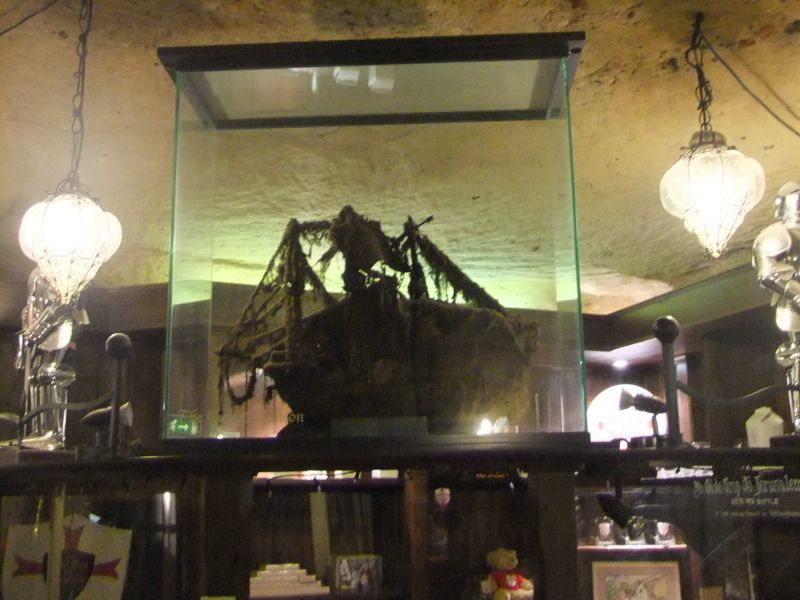
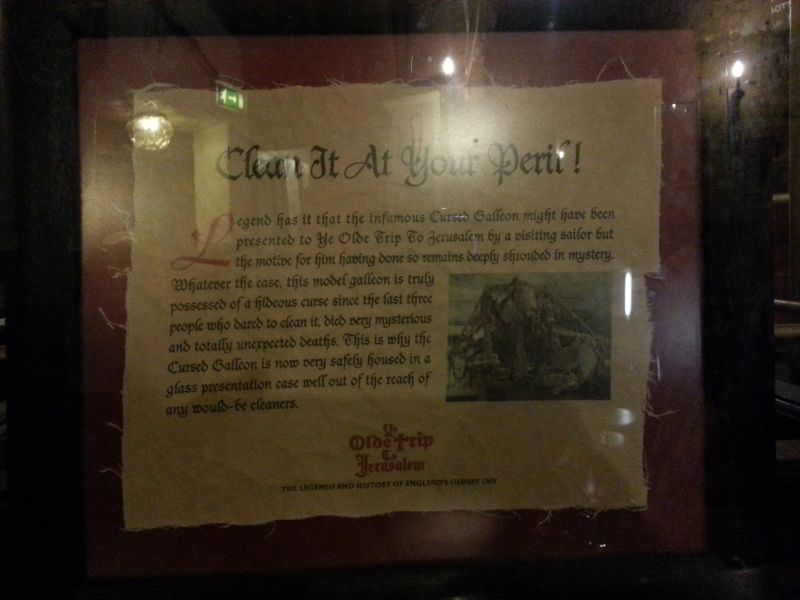
A "cursed galleon" - the pub has a small wooden model of a ship in the upstairs bar. Pub legend claims that the last three people who have cleaned the galleon have all met a mysterious death, and because of this Landlords over the years have refused to allow anyone to dust the ship, allowing inches of thick grime to build up on it.

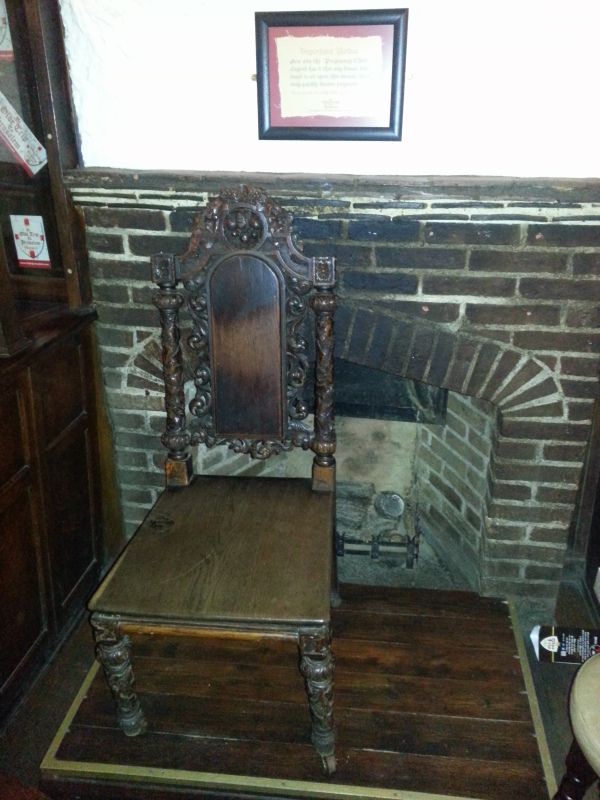
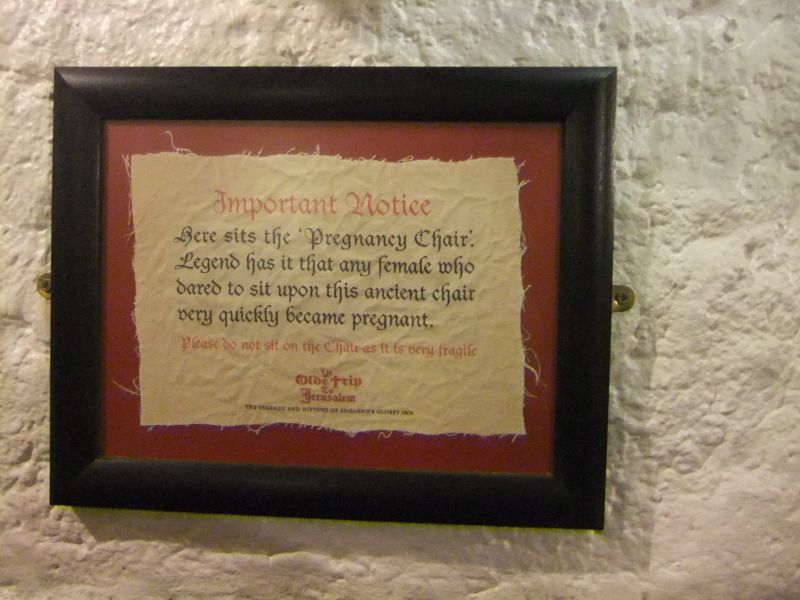
A "pregnancy chair" - the pub contains an antique chair, and it is claimed that any woman who sits in this chair will increase her chances of becoming pregnant. Ignoring the sign that said not to sit in the chair (as it is fragile) Mrs J bravely gave the chair a quick whirl. So please check back in nine months time to see the outcome of that experiment!
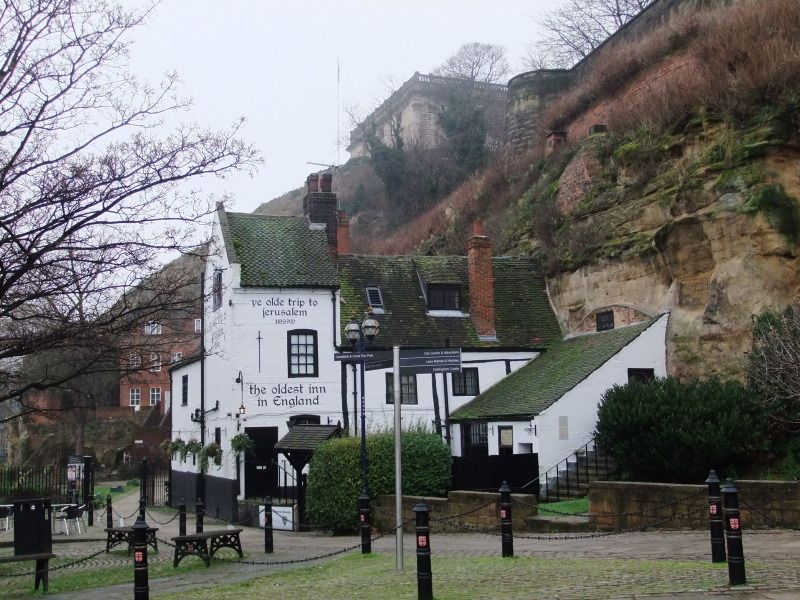
Ye Olde Trip to Jerusalem
The cursed galleon
 Cursed galleon sign 
The pregnancy chair
Pregnancy chair sign

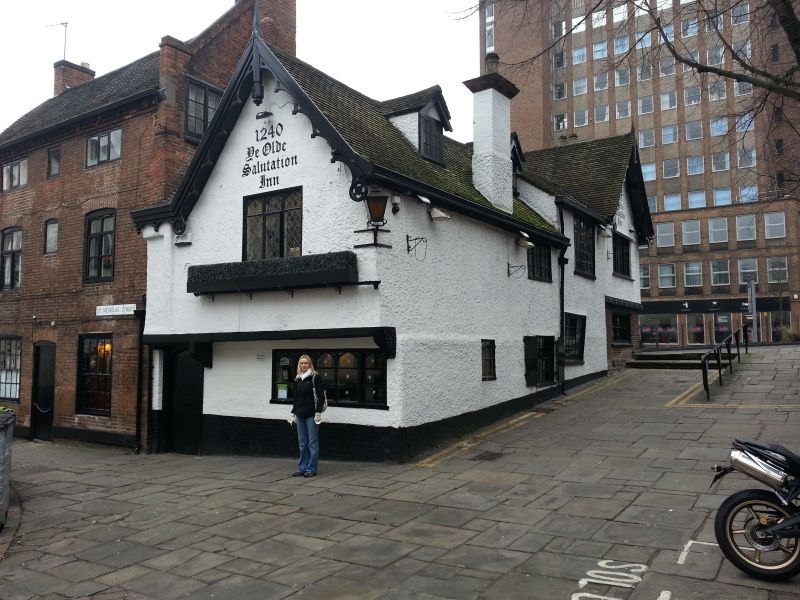
Ye Olde Salutation Inn

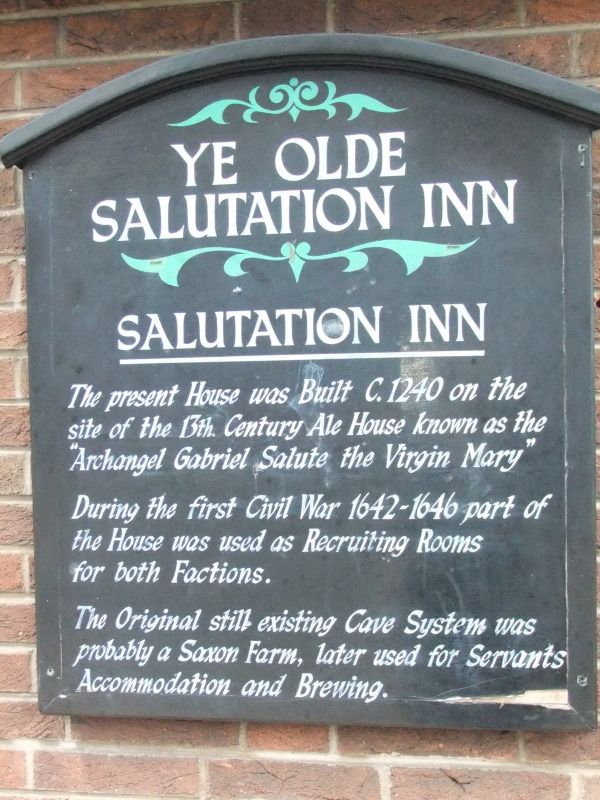
Ye Olde Salutation Inn in its current form is believed to date from around 1240. It was built upon the site of an even older ale house known as The Archangel Gabriel Salutes the Virgin Mary and also sits atop some Anglo-Saxon caves which are believed to date from the 9th century.

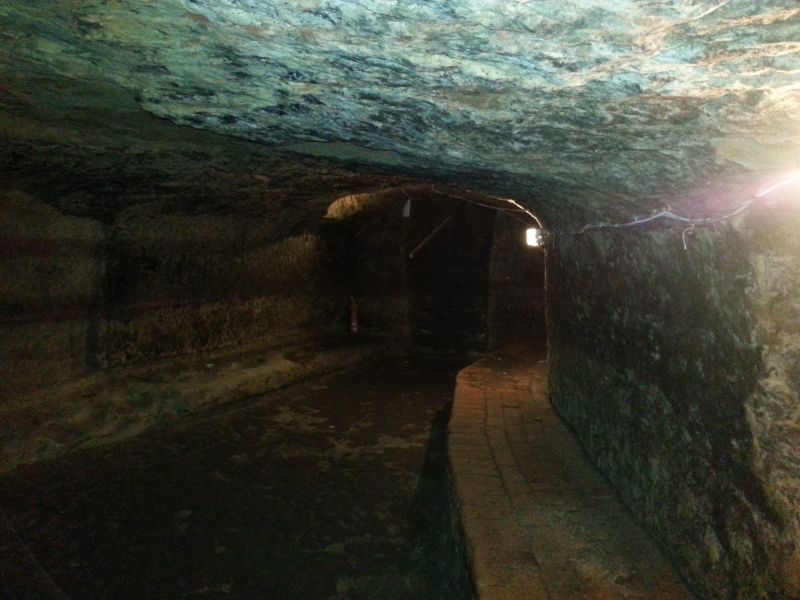
Exploring the caves beneath the pub the visitor will see a number of teddy bears and dolls scattered about.  These are the toys of the resident ghost, Rosie, a 4 or 5 year old urchin who died in the Victorian era.

Ye Olde Salutation Inn has a special interest for Mrs J, as research into Mrs J’s family tree hints towards her Great Great Grandmother (Eliza Brooks) being the owner of the Inn during the 1800’s.

So if you find yourself in Nottingham, you now know where to go for a drink or two!
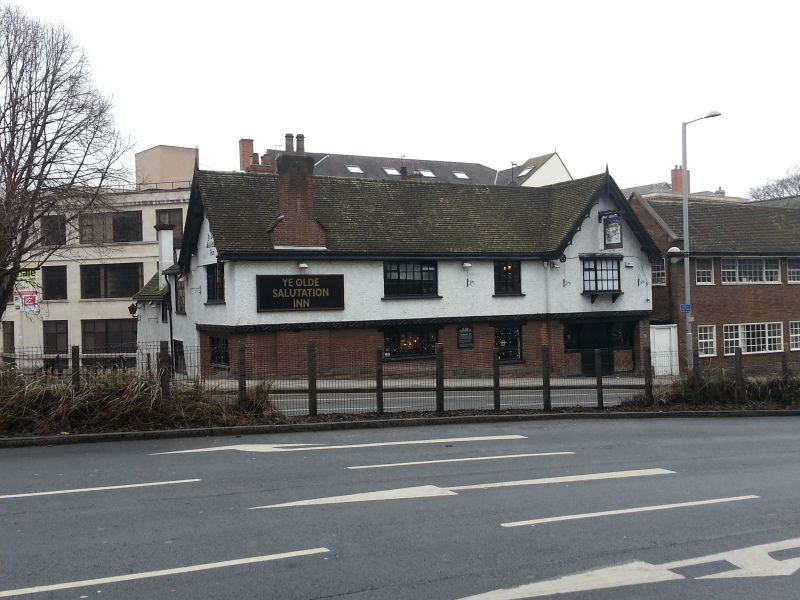
Ye Olde Salutation Inn

Ye Olde Salutation Inn

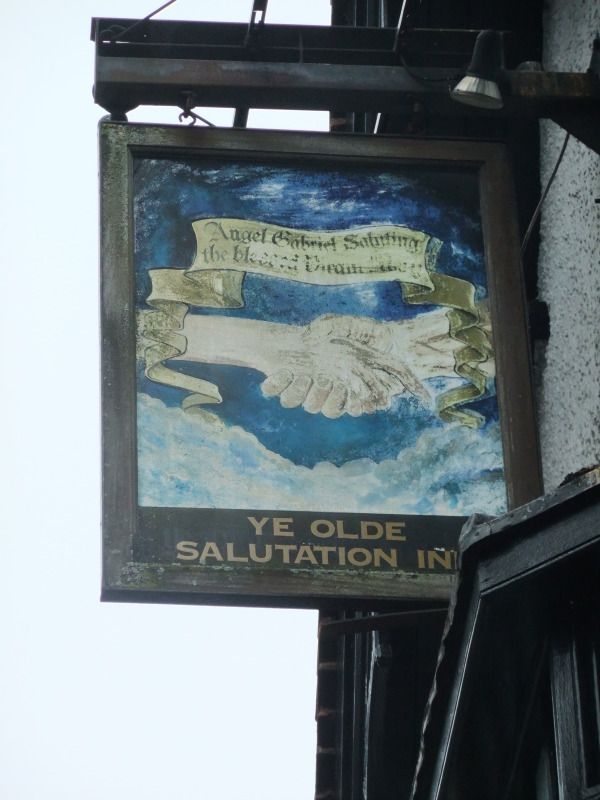
The pub sign
A potted history
The caves
Rosie's sign


Pictures, Nottingham (January 2013).

If you find this post interesting please share it using the buttons below.


Thursday, 24 January 2013

Savile's Ghosts

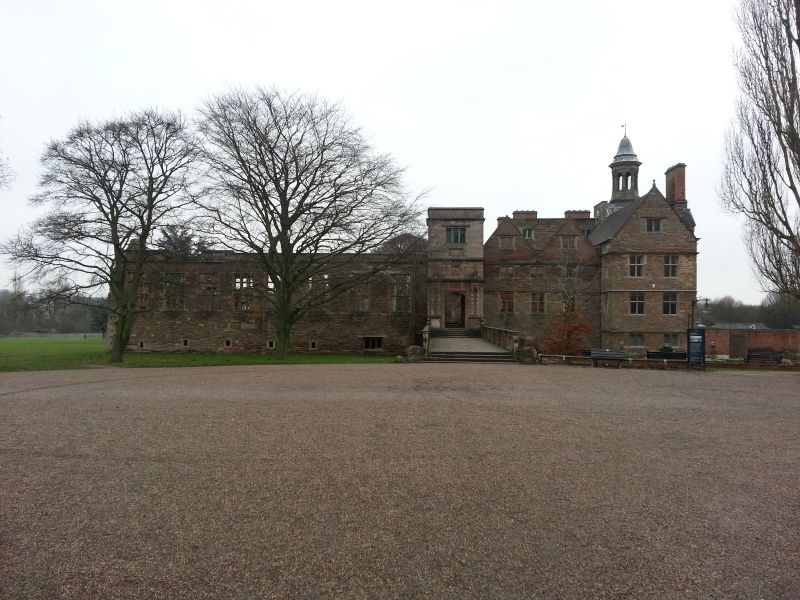
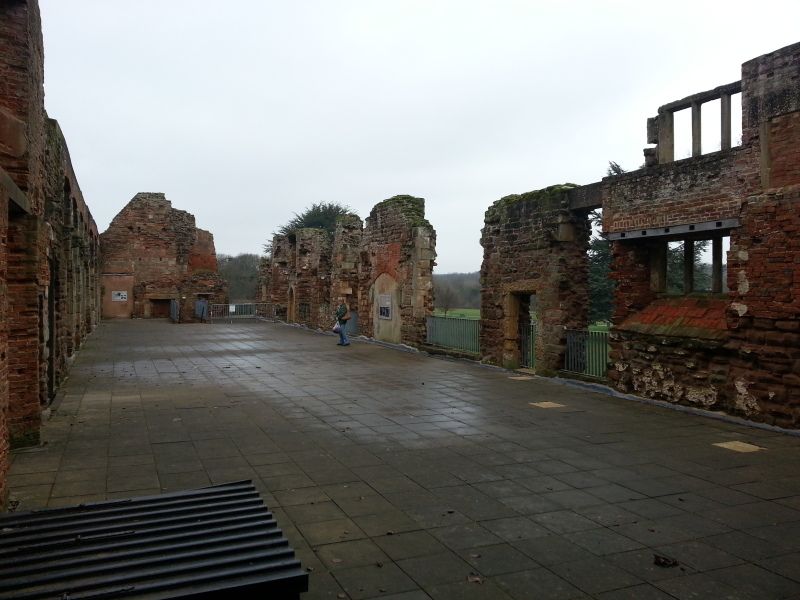
Pictured below are the crumbling remains of Rufford Abbey which resides on a 500 acre estate near Sherwood Forest in Nottinghamshire. Rufford started life as a Cistercian Abbey in 1147 (founded by Gilbert de Gant), and remained as an Abbey until the dissolution of the Monasteries in the 16th century when it became a private house. The estate has had a number of private owners over the years, and in 1626 it came into the possession of the Savile family who owned it into the 20th century, after which the Abbey fell slowly into disrepair.

The Abbey is reported to be home to a number of ghosts, and the hauntings that afflict the Abbey are believed to have been sparked off by the actions of George Savile (the Eighth Baron), who was widely believed to have dabbled in black magic and satanic practices. One of the early hauntings is documented in the parish register of Edwinstowe Church, which records the burial of a man who “died of fright after seeing the Rufford ghost”.

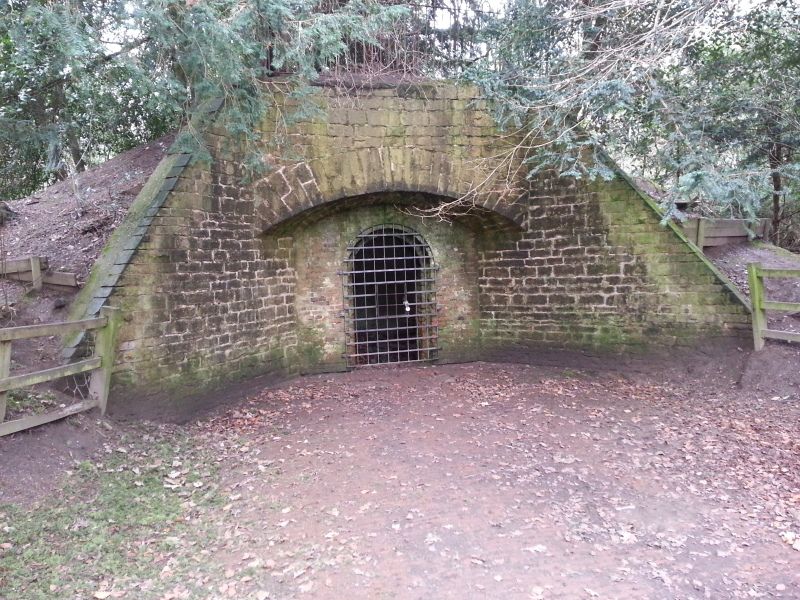
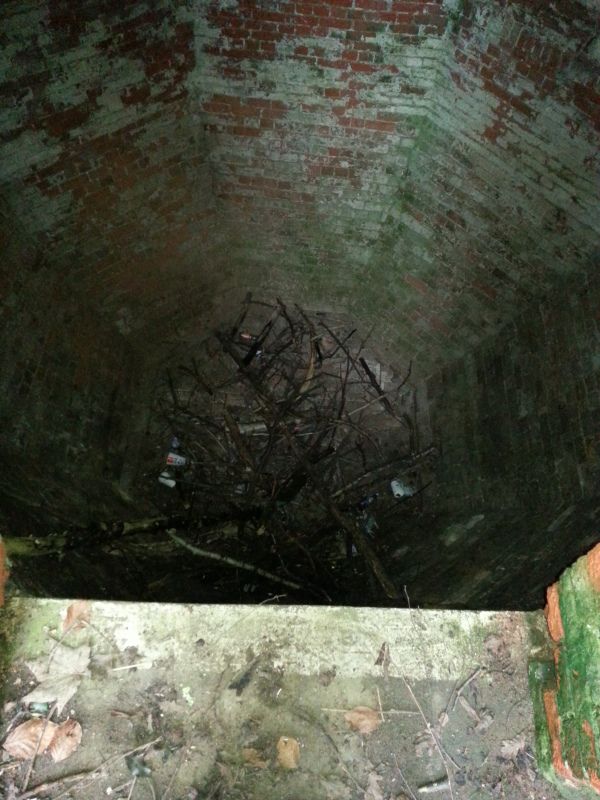
Another interesting feature of the Rufford estate are the ice houses that live in the Abbey’s grounds. Five ice houses were added to the Rufford estate between 1729 and 1845, two of which are still visible today. Built in close proximity to the estates lake, the ice houses were used to store ice taken from the lake in the winter, enabling it to be used to provide ice and refrigeration for the residents of the estate during the summer months.

Rufford Abbey
Inside the Abbey.
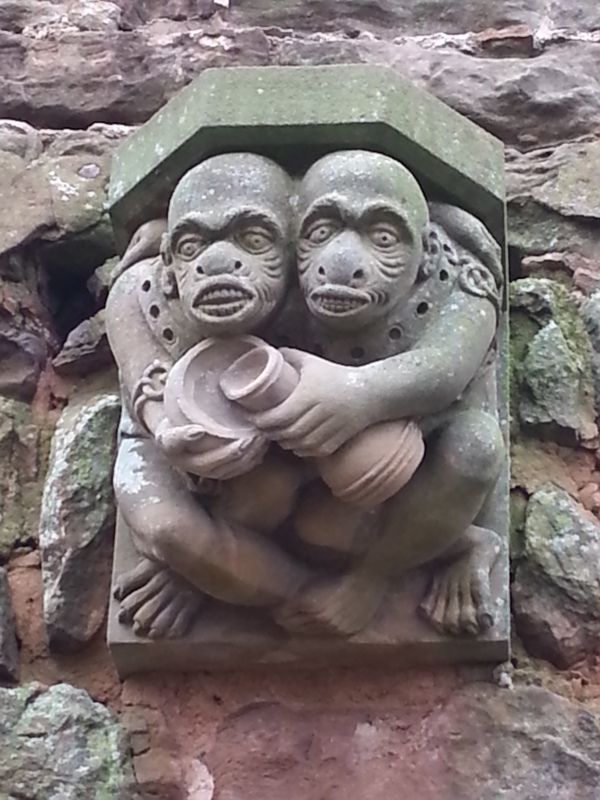
"Sculpture" on Abbey wall - Demonic Monkeys?
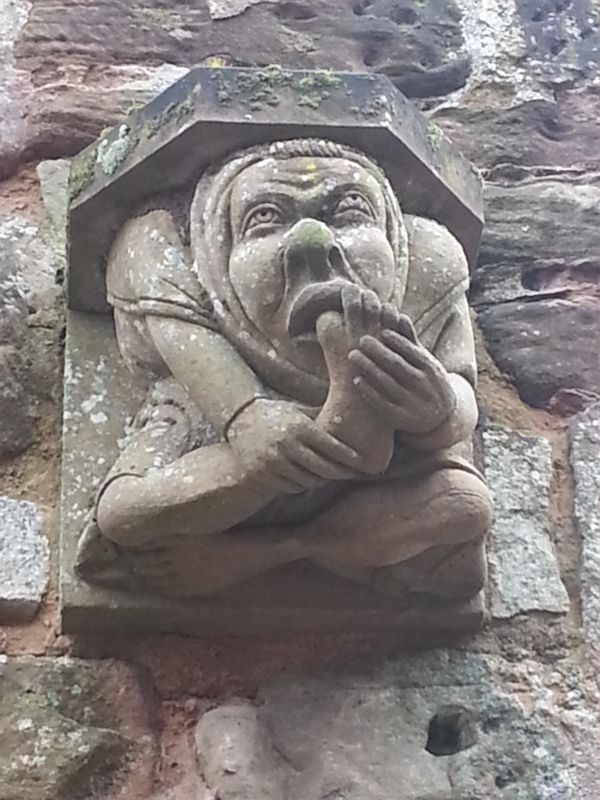
 "Sculpture" on Abbey wall - Tasty Toe? 
An Ice House.
Peering into the Ice House.
Pictures, Nottinghamshire (January 2013).

If you find this post interesting please share it using the buttons below.