“Random encounters with the unusual” is a repository for the oddities that me and Mrs J have encountered on our travels, which we find interesting or amusing in some way. Have a look, maybe you will find something interesting or amusing herein.

Showing posts with label France. Show all posts

Tuesday, 30 July 2013

Mysterious Majolica Beasts

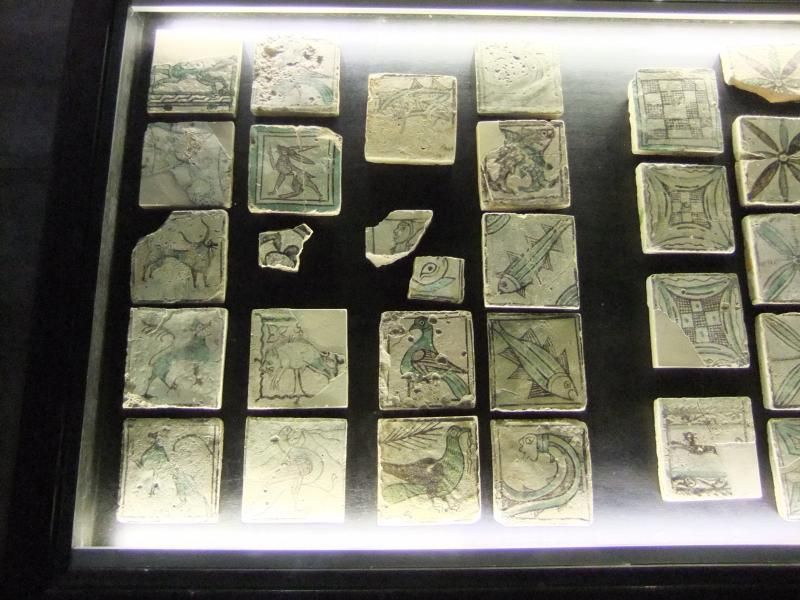
On my travels I have visited a number of places that have Majolica floor tiles on display. Majolica pottery is a distinctive Italian style of pottery which dates from the Renaissance period. Majolica pottery is typified by its bright colours that are set over a white background. The name Majolica is believed to have been derived from a medieval Italian word for the island of Majorca, the rational being that Spanish Moorish potters would have originally brought the pottery style from Majorca to Italy.

Majolica floor tiles are usually interesting as they often depict weird and wonderful creatures that are either creations of the artists mind or real beasts that are not known to man (well not known to me at least). Below is a selection of some of the Majolica floor tiles that I have come across, these are either 14th Century Majolica tiles from the Palais Des Papes in Avignon or 16th Century Flemish Majolica tiles from The Vyne near Basingstoke.

Please feel free to post in the comment section if you know what animals the tiles are supposed to represent.


A scaled beast.
Two freaky beasts getting it on?
An odd human-like skull.
A shelled creature.
A 16th century elf?
A weird fish ready for a kiss?
Some form of dog?
A bird?
A young Nessie?
Pictures, France (October 2012) & Hampshire (July 2013).

If you find this post interesting please share it using the buttons below.

Friday, 22 March 2013

The home of the Antipope

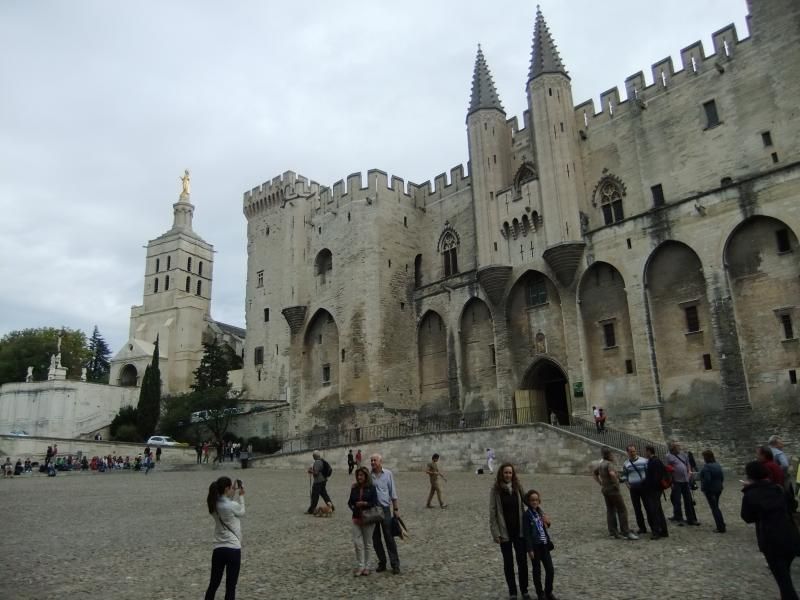
The recent election of the new Pope reminded me of my visit to the home of an Antipope, the UNESCO World Heritage Site of the Palais des Papes in Avignon, southern France. The palace served as the papal residence and the seat of Western Christianity during the 14th century, and during this time the palace witnessed the elections of Popes Benedict XII (1334), Clement VI (1342), Innocent VI (1352), Urban V (1362) and Gregory XI (1370).

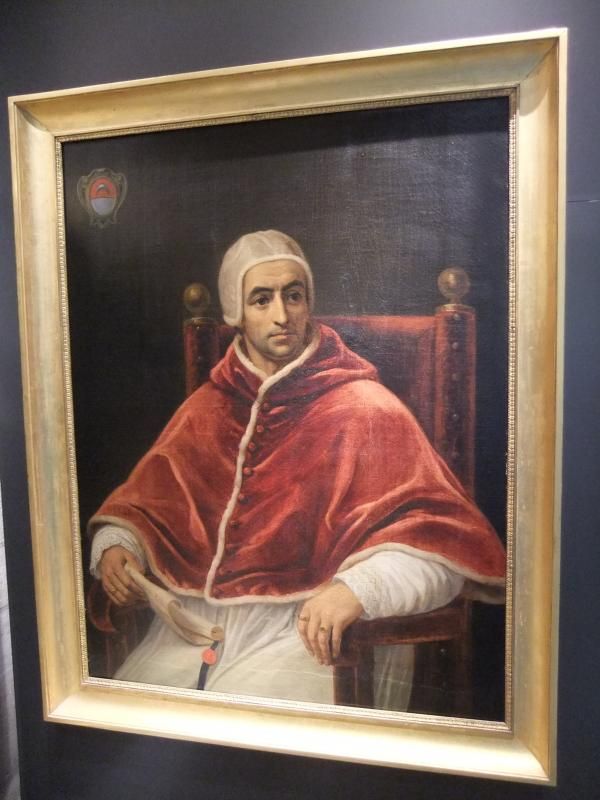
The Palais des Papes only served as the legitimate seat of the papacy for a relatively short period, and in 1370 the papal seat was relocated to the tomb of St. Peter (Vatican City). Although this relocation occurred in 1370, the Palais des Papes still served as the home to a few more Popes (in this case Antipopes), they were notably the Antipopes Clement VII (1378–1394), Benedict XIII (1394–1423) and Clement VIII (1423–1429).

If you are wondering what an Antipope is, it is another claimant to the papacy, in opposition to the legitimately elected Pope of the time, who have typically had significant support from various cardinals, secular kings and kingdoms. What is not clear however, is if an Antipope coming in to contact with a Pope would result in some form of explosive annihilation!

If the subject of "Papal Prophecies" takes your fancy pope over to Andrew May's Forteana Blog.

The  Palais des Papes. 
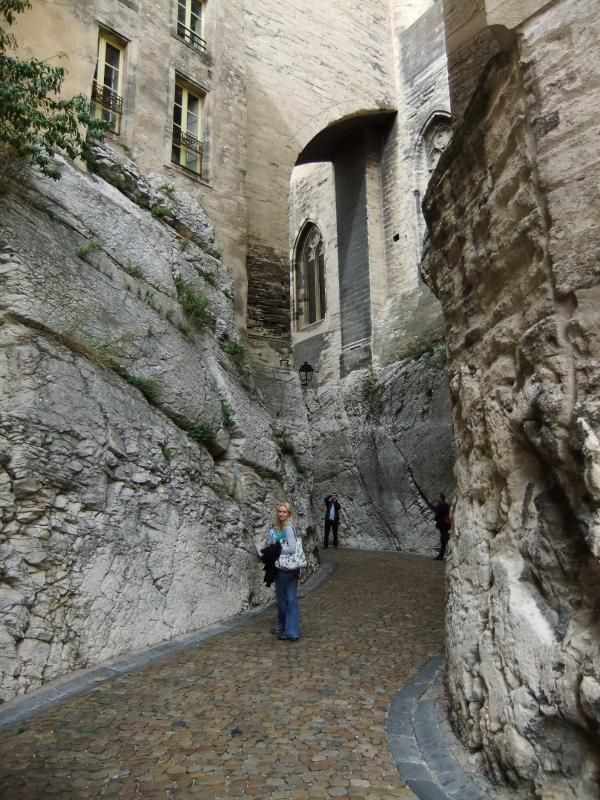
The rock on which part of the palace is built.
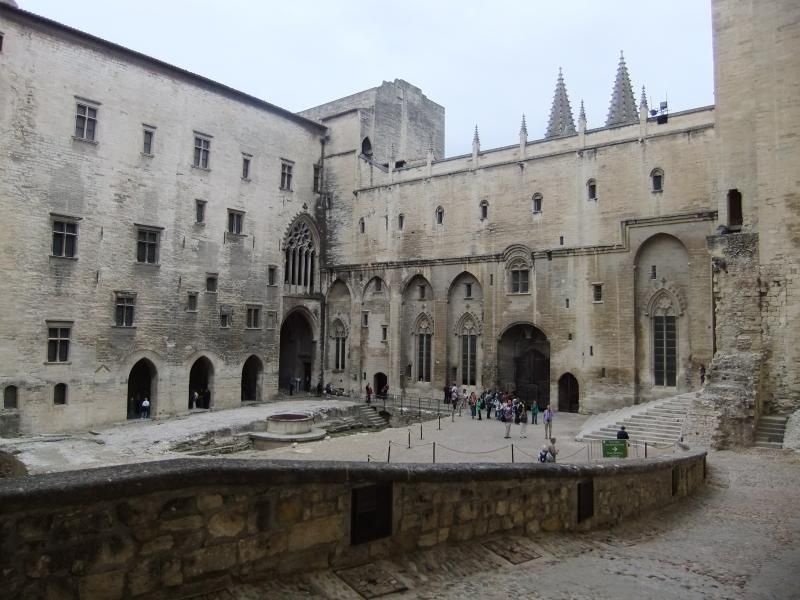
Palace courtyard.
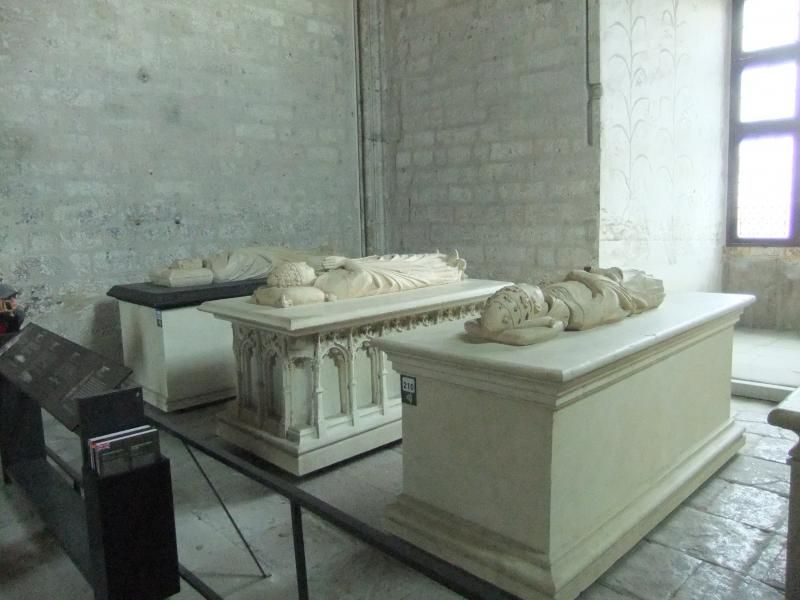
Tombs of past Popes.
Decorative floor tiles on display.
Antipope  Benedict XIII.  
Pictures, France (October 2012).


If you find this post interesting please share it using the buttons below.

Friday, 15 March 2013

The Horror of Oradour

I first heard of the village of Oradour-sur-Glane when I read a book that suggested that the events that occurred there during World War II were an act of reprisal by a small company of German Waffen-SS, for an attack on a convoy of trucks. The book claimed that a local band of French Partisans had attacked the German convoy, which was laden with plundered gold enroute to feather the nest of a high ranking German Officer. The Officer in question was less than impressed with this theft and decided to enact a terrible revenge on the perpetrators.

A subsequent book suggested that French Partisans had captured a German Officer, and that the attack was an act of revenge for this affront. However, in a tragic irony, the Germans attacked Oradour-sur-Glane mistaking it for the village of Oradour-sur-Vayres.

Whatever the truth, the events that unfolded in Oradour-sur-Glane went down in infamy.

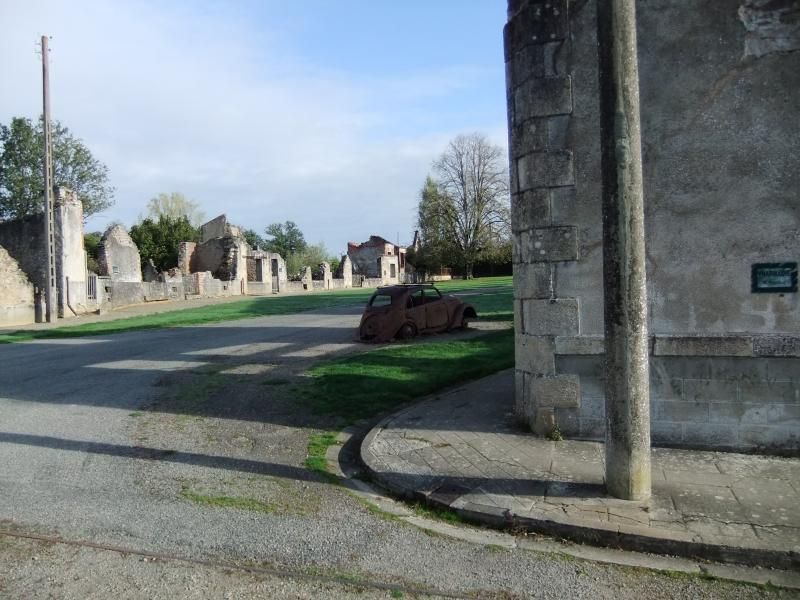
The village of Oradour-sur-Glane lies 25 km North West of Limoges in France. The original village was destroyed on 10 June 1944, when all of its inhabitants and any visitors or passers-by who happened to be in the village were brutally killed by a company of German Waffen-SS.

When the Germans arrived in Oradour-sur-Glane on the 10 June, they sealed off the village and ordered all the people to assemble in the market square for an identity check. The people gathered up included the villagers and whoever else happened to be unlucky enough to be in the Oradour-sur-Glane on the day (such as guests at the hotel, people visiting family, six people who happened to be riding their bikes through the village at the time, and children from nearby villages). Once the people were mustered, the Germans began the process of separating the men from the women and children. The men were divided into six groups and secured in barns, the women and children were detained in the church.

A single shot was the signal for the massacre to begin.

The barns containing the men, were raked with volleys of machine gun fire, which were setup low to the ground, and mainly caused leg injuries to their victims. Once the machine gun fire abated, the Germans moved through the barns finishing off any survivors they found with pistol shots, before piling straw and other combustibles onto the bodies in order to burn them. Because some of the men in the barns only suffered leg injuries in the initial machine gunning, it was believed that a number of victims would have been burnt alive in the ensuing blaze. 190 men were killed in the barns, but 6 men did manage to escape. Their escape was effected by playing dead after the machine gunning had ceased, and escaping unnoticed from the barns while they were ablaze. One of these men was subsequently noticed and gunned down.

While the men were being killed in the barns, the women and children were locked in the church with an incendiary device. After the device was ignited, women and children began to try to escape through the doors and the windows of the church. Their efforts were met by machine-gun fire. The ensuing blaze in the church was so fierce that the bronze church bells ended up as a molten mass. In total 247 women and 205 children were killed, however two women and one child did managed to survive.

These were not the only acts of savagery perpetrated by the Germans. The people who could not muster in the market square when the Germans first arrived (the ill or old for example), were shot in their homes or left to burn when their houses were set on fire. A number of prams were found riddled with bullet holes or shredded by grenade fragments and the bodies of the Baker and his family were found charred in the Bakery's oven.

In total 642 people died in Oradour-sur-Glane and the village was left in a state of ruin.

The market square.
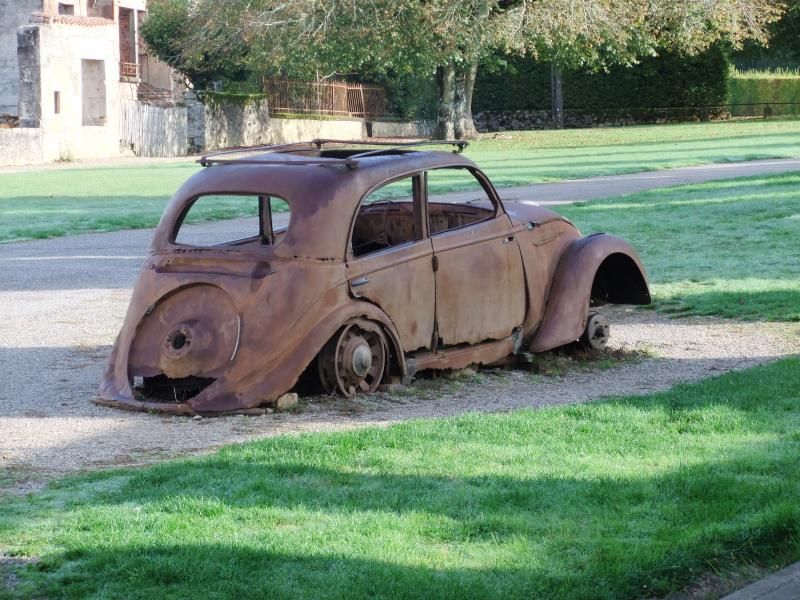
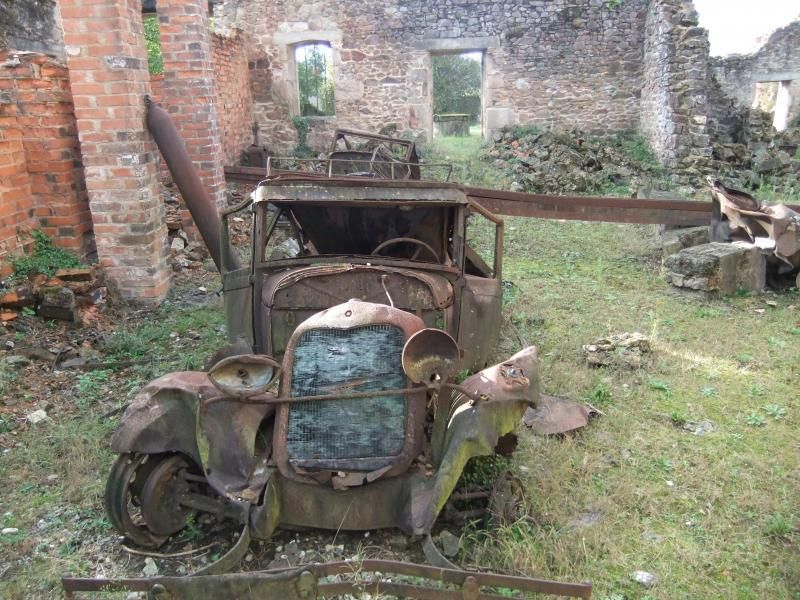
The Doctor's car.
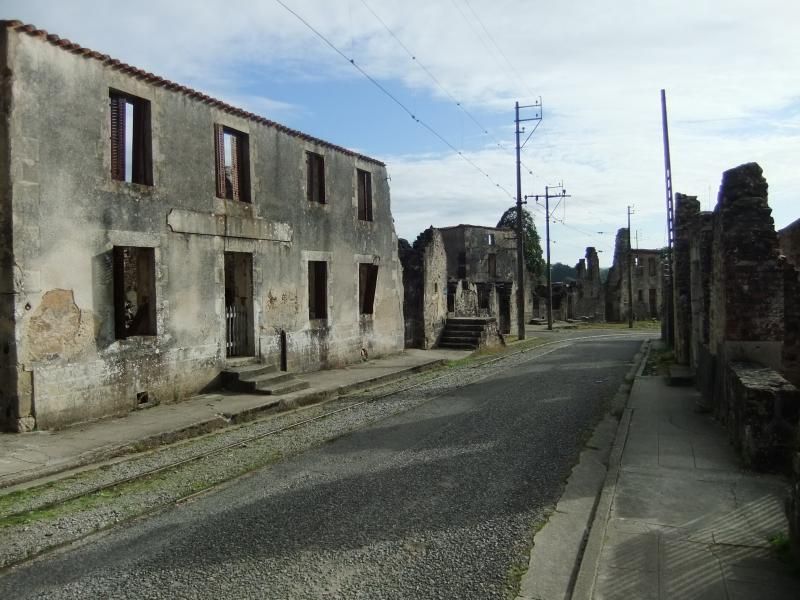
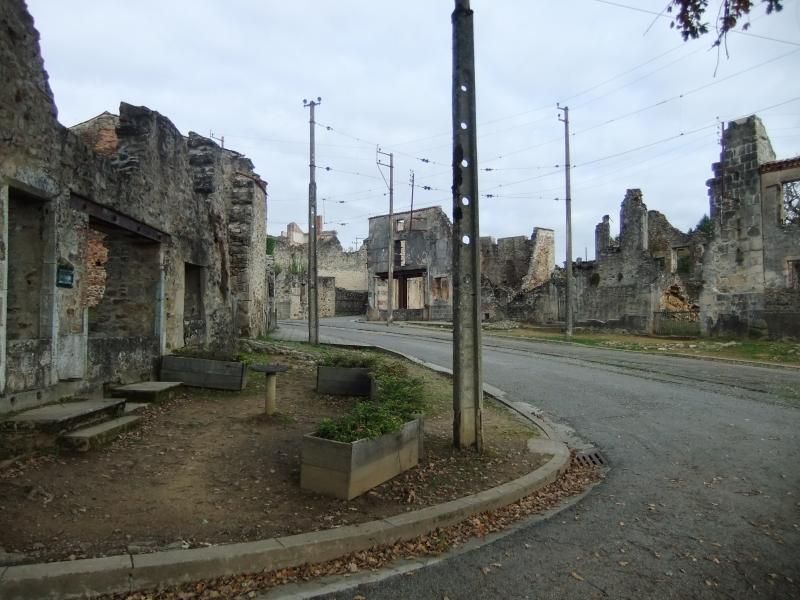
A deserted street.
A deserted street.
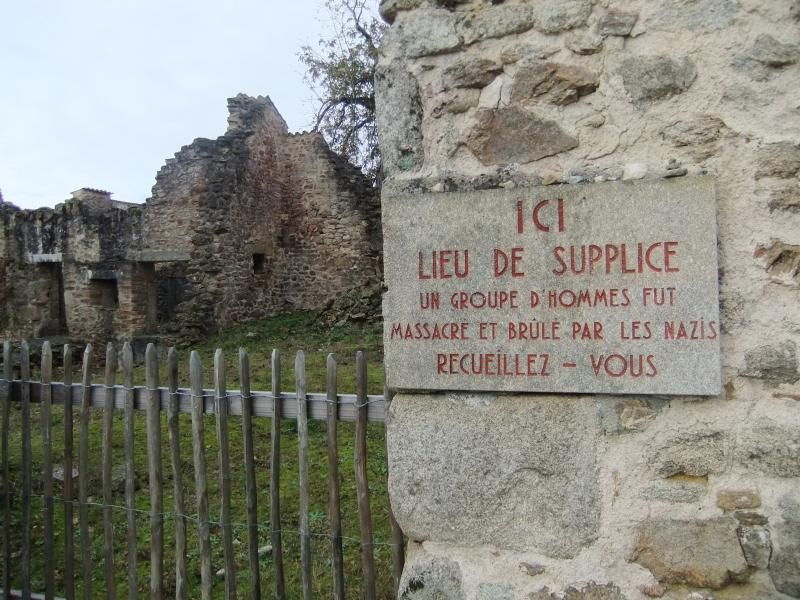
One of the locations where a group of the men were killed. 
Destroyed car.
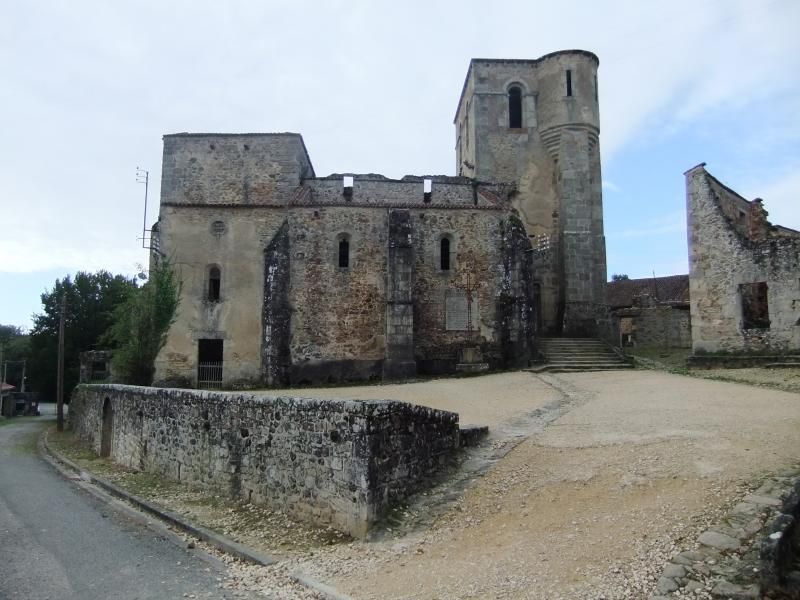
The church.
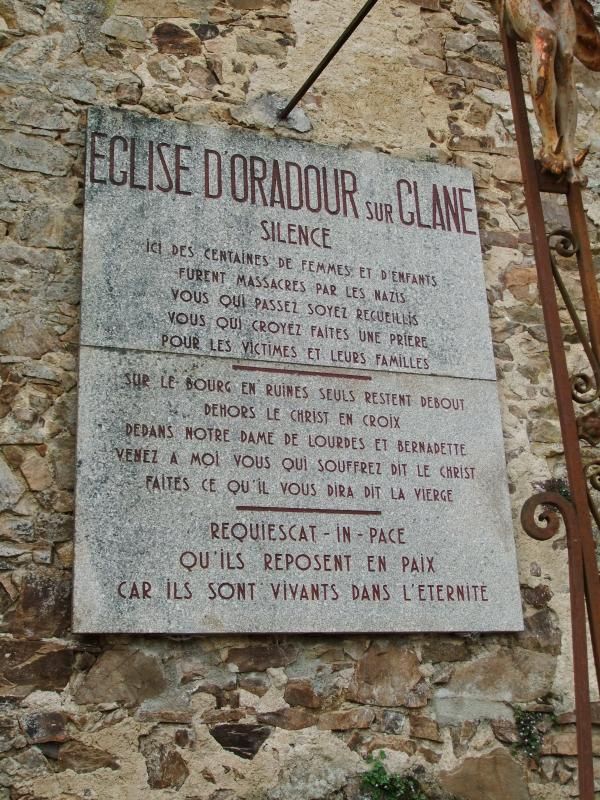
Sign outside the church.
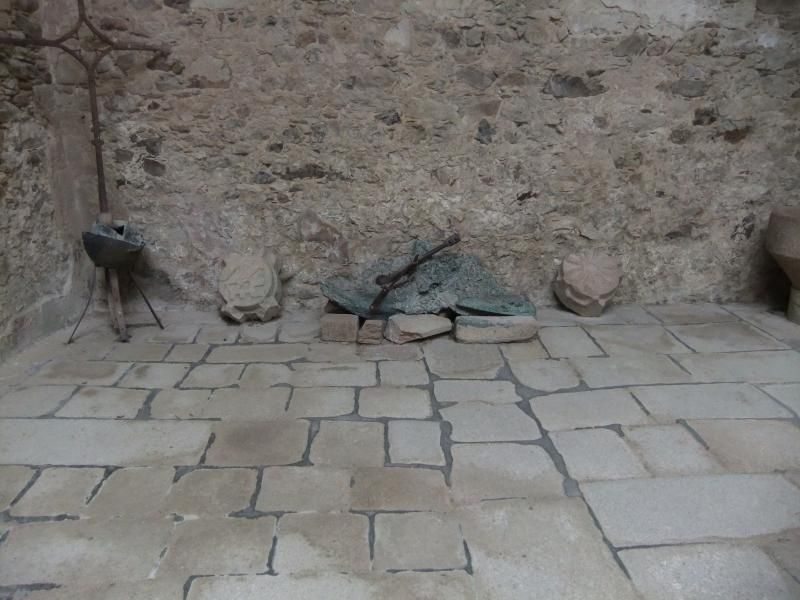
The molten church bells.
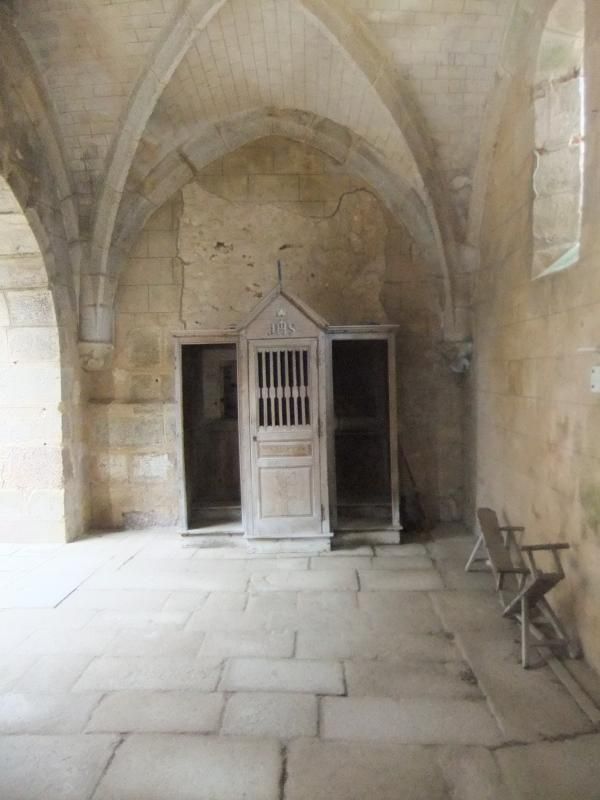
The confessional, in which the bodies of two children were found.
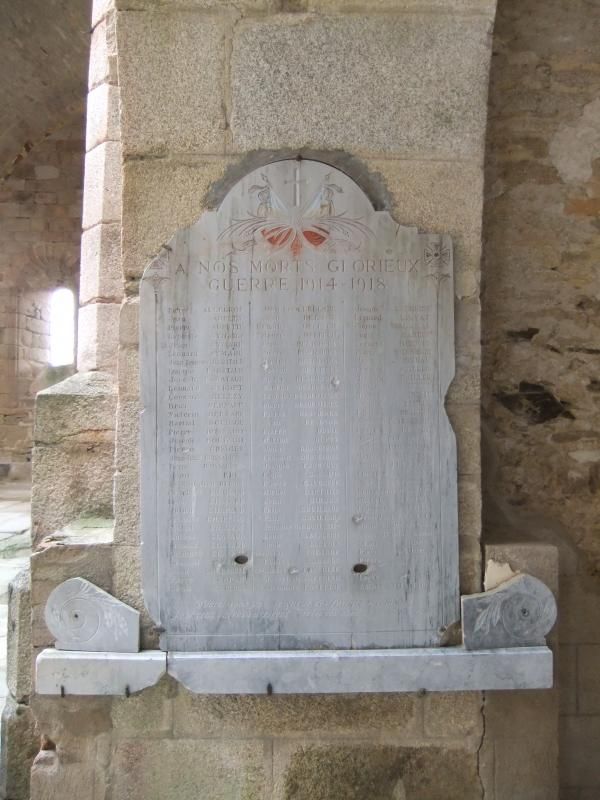
WWI memorial with bullet holes.
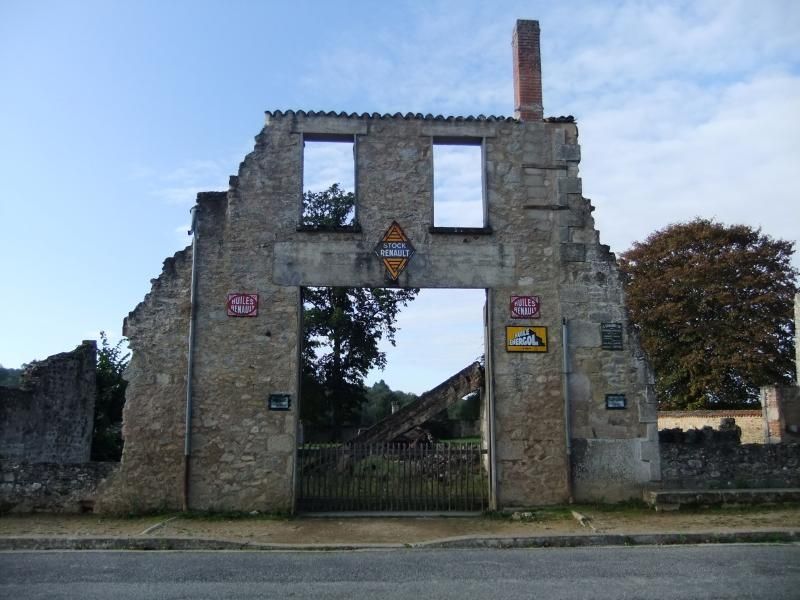
The Mechanic's workshop.
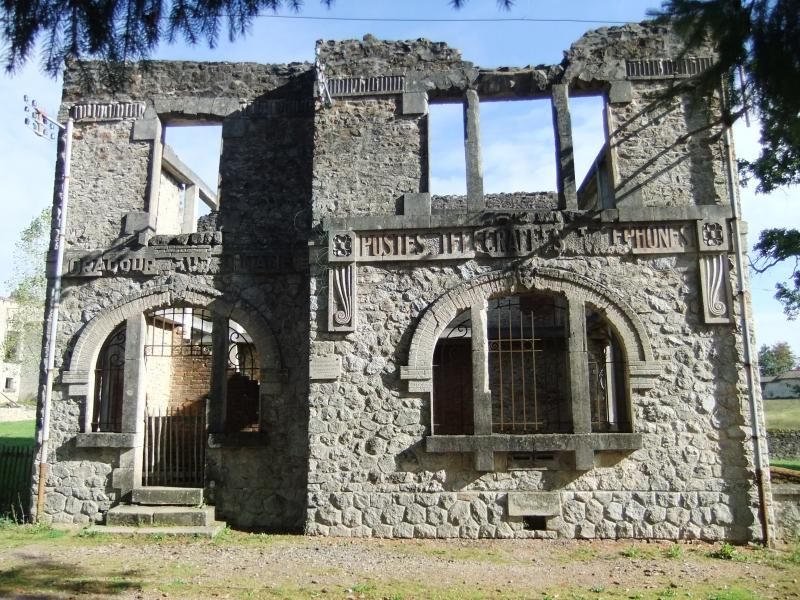
The Post Office.
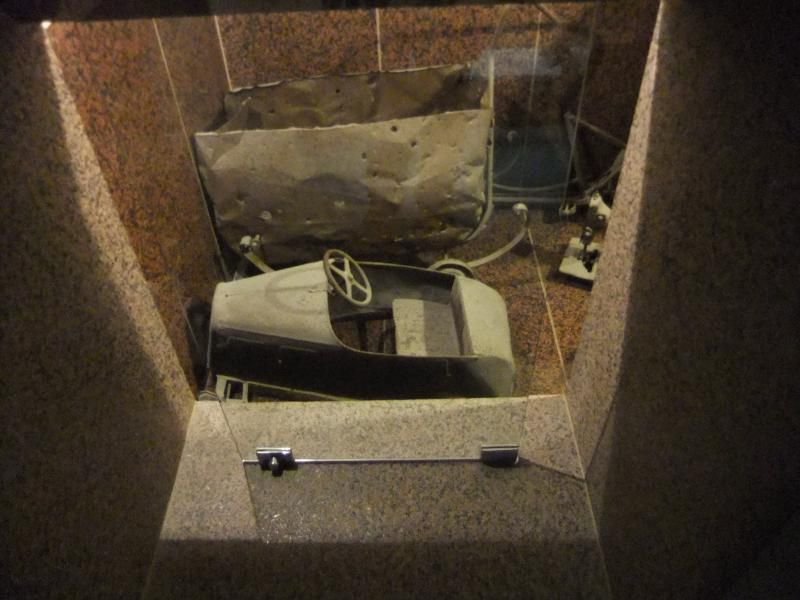
Bullet riddled pram.
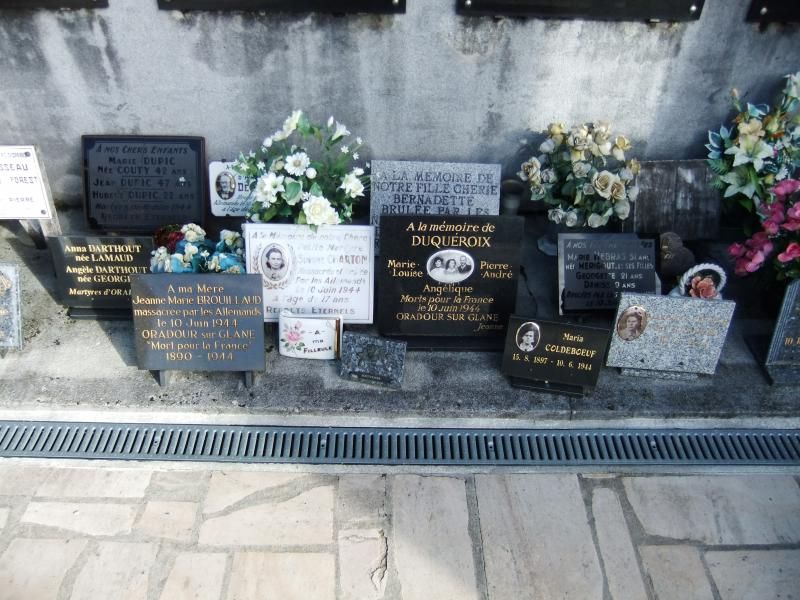
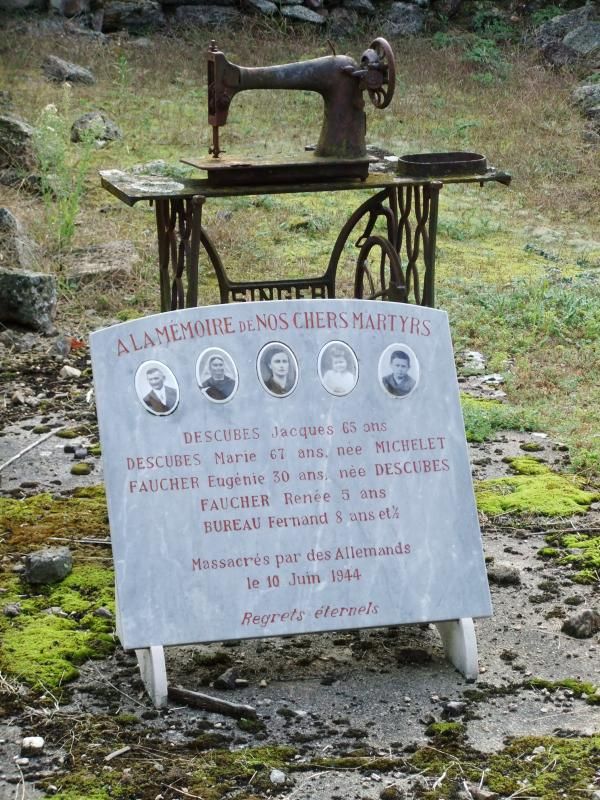
Memorials to the fallen.
 Memorial to the fallen. 
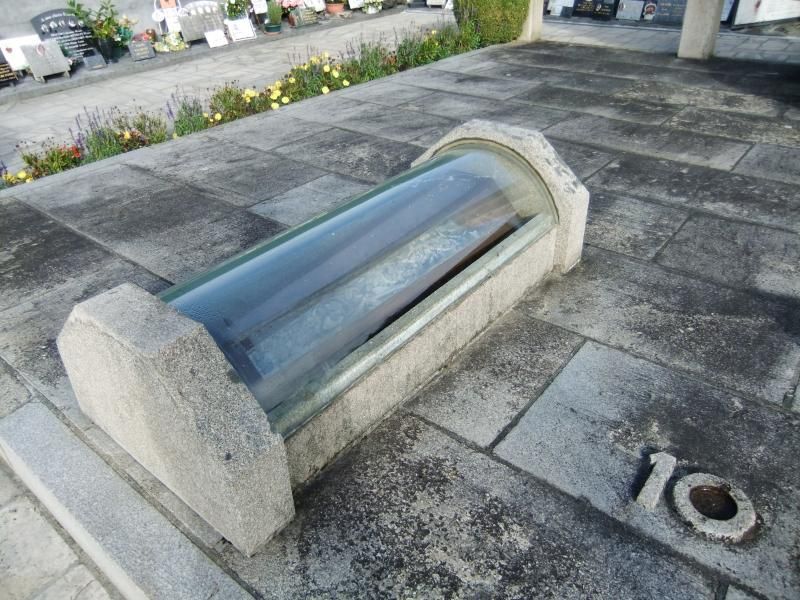
Communal burial of unidentified bones.

Pictures, France (October 2012).

If you find this post interesting please share it using the buttons below.

Thursday, 21 February 2013

Saint Marys of the Sea

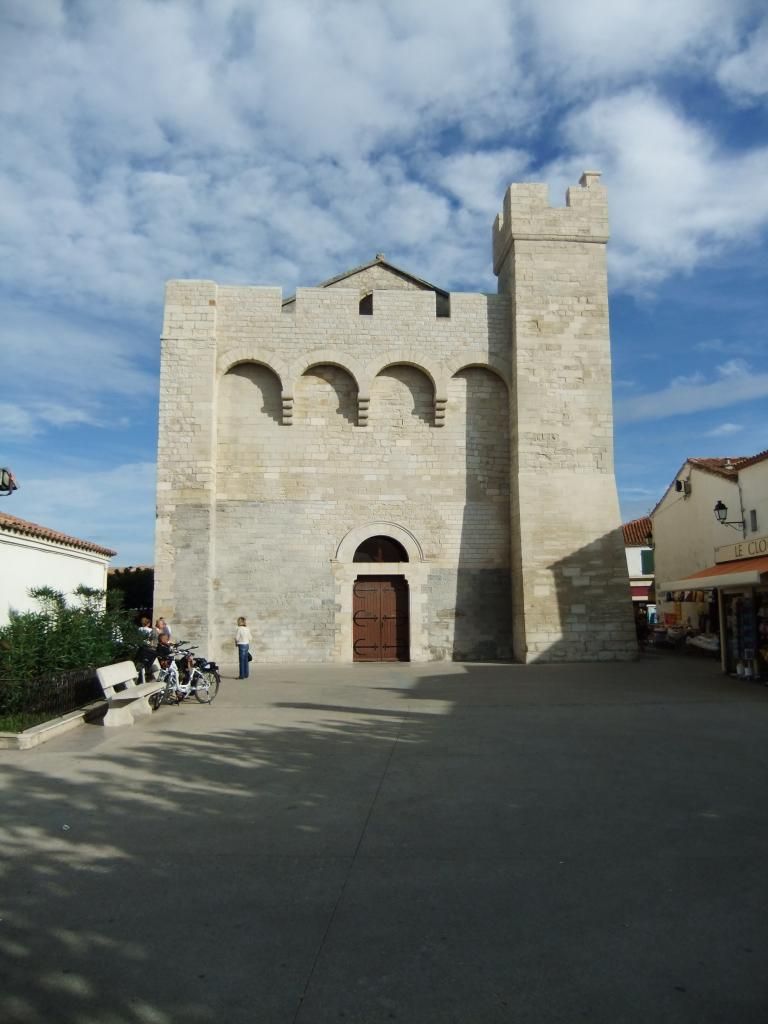
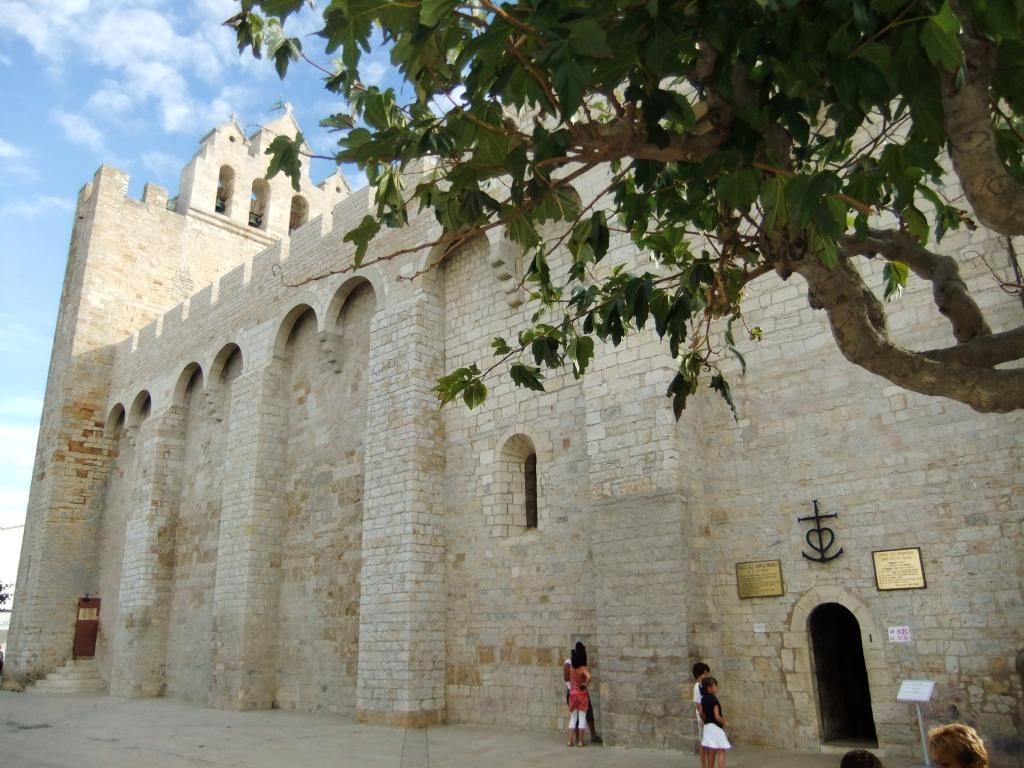
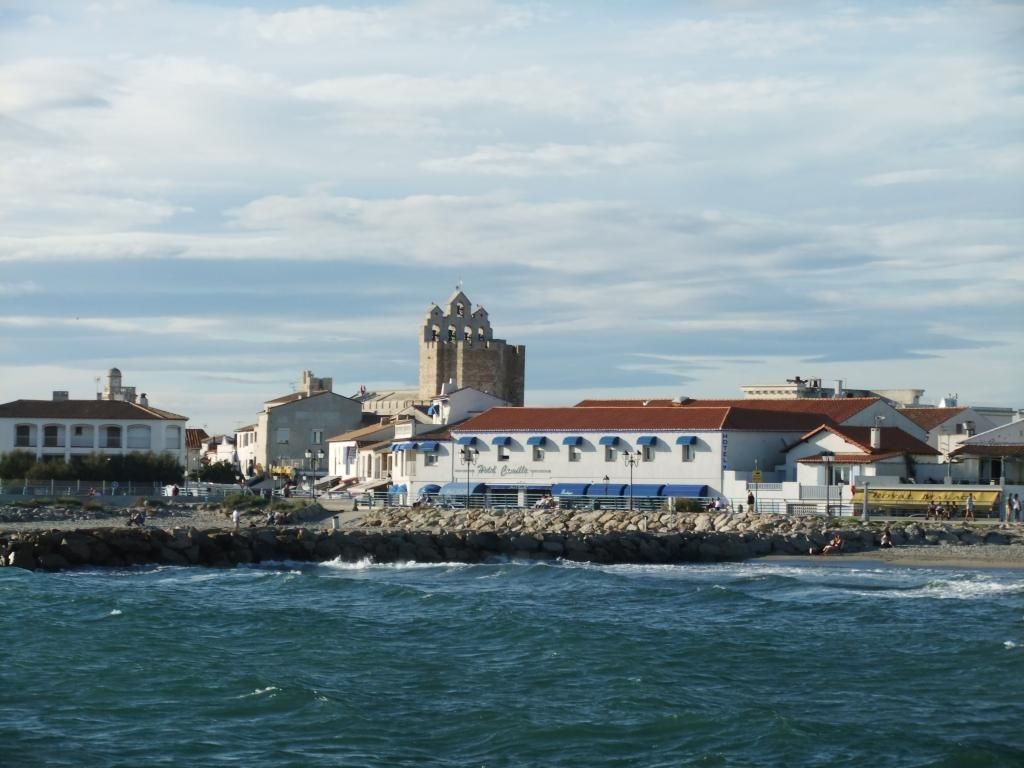
Saintes-Maries-de-la-Mer ('Saint Marys of the Sea') is a town situated on the south coast of France in the Camargue Region. One of the most prominent features of the town is its fortified church which was built between the 9th and 12th centuries. Over the years the church has acted as both a place of worship and a place of refuge for the local people (for when pirates attacked the village from the sea). Over the course of its history it seems that the church has been a focus for a number of religious groups, most notably Christians and Romani Gypsies.

The church is dedicated to three saints called Mary, Mary Magdalene (of Da Vinci Code fame), Mary Salome and Mary Jacobe, all of whom were believed to be the first witnesses to the empty tomb at the resurrection of Jesus. As the popular legend goes, the three Marys (with their uncle Joseph of Arimathea) escaped the Holy Land after the crucifixion of Jesus (circa 45 AD). Their journey eventually saw them coming ashore at what is today Saintes-Maries-de-la-Mer.

The church also prominently features the relics of Saint Sara, who according to legend is the Egyptian servant of the three Marys. Today the shrine beneath the church is mostly dedicated to Saint Sara and is an annual place of pilgrimage for Romani Gypsies.

The church.
Church side view.
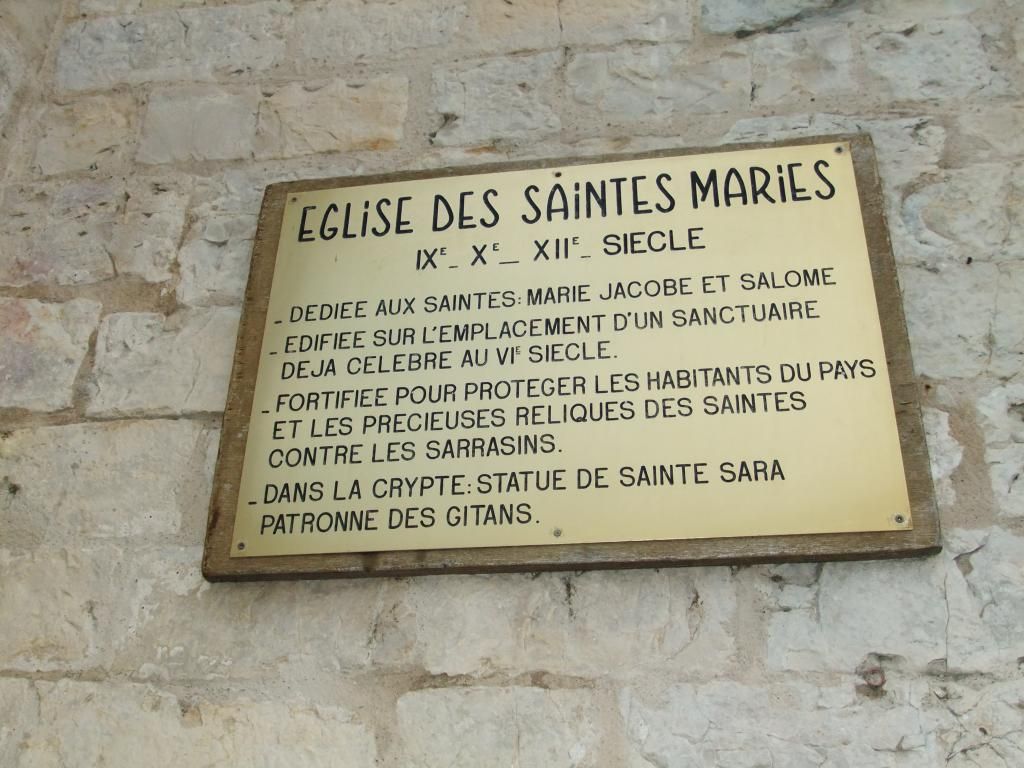
Plague outside the church.

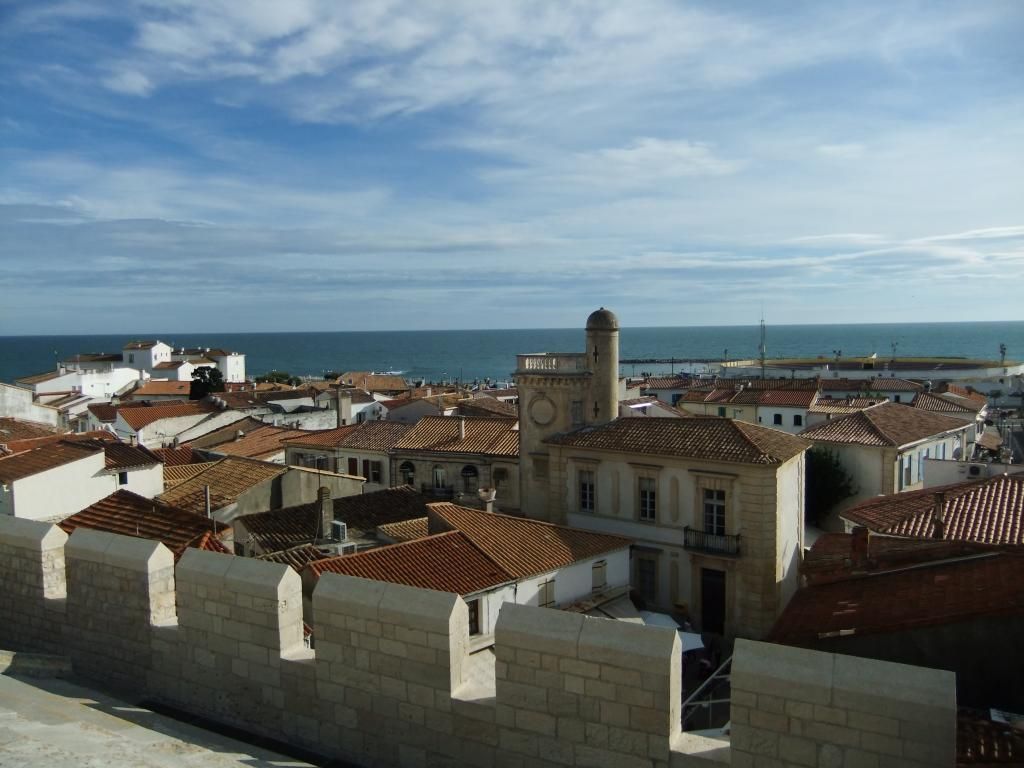
View from the church roof.
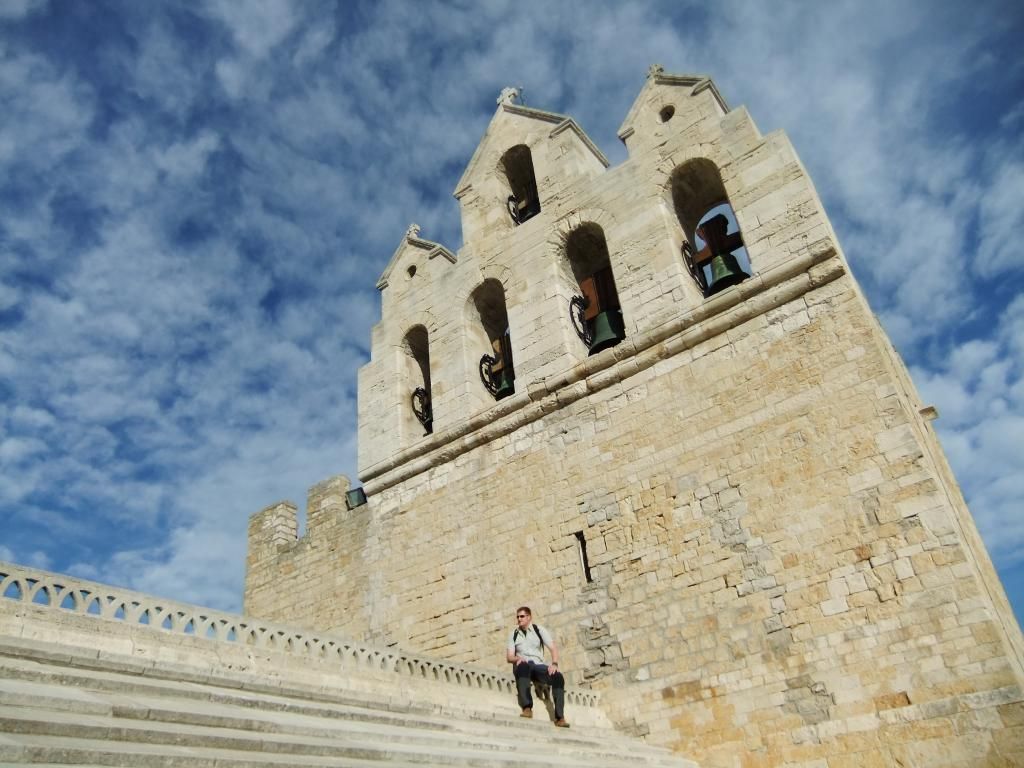
The church bell tower.

The church viewed from the sea.
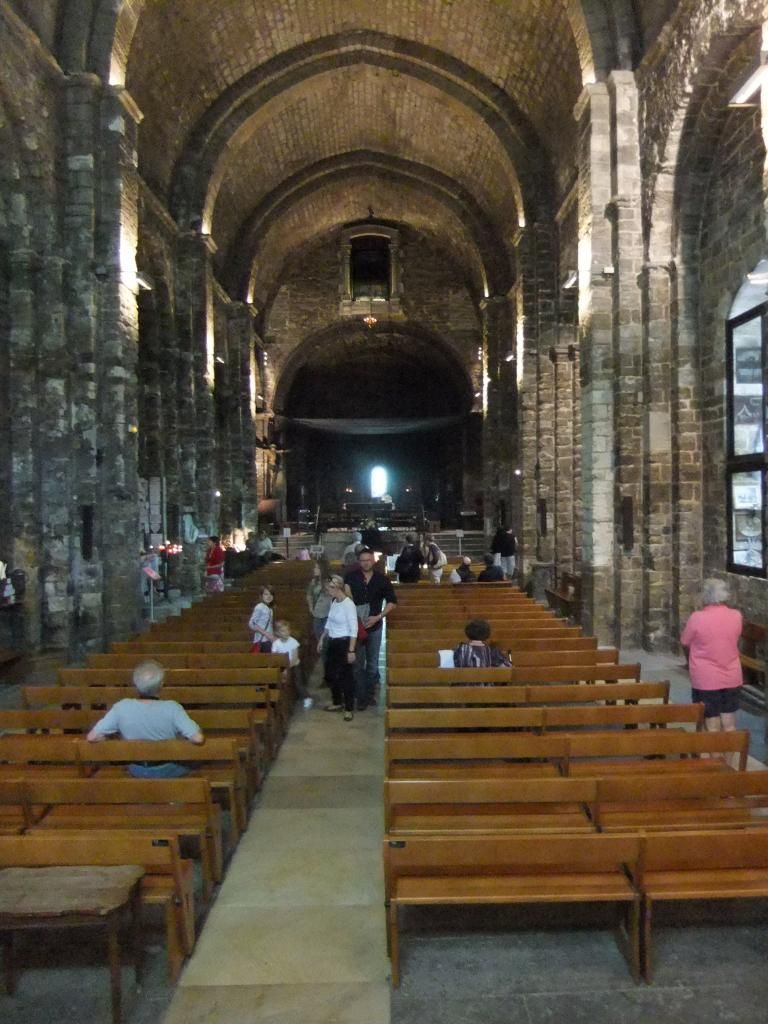
Inside the church.
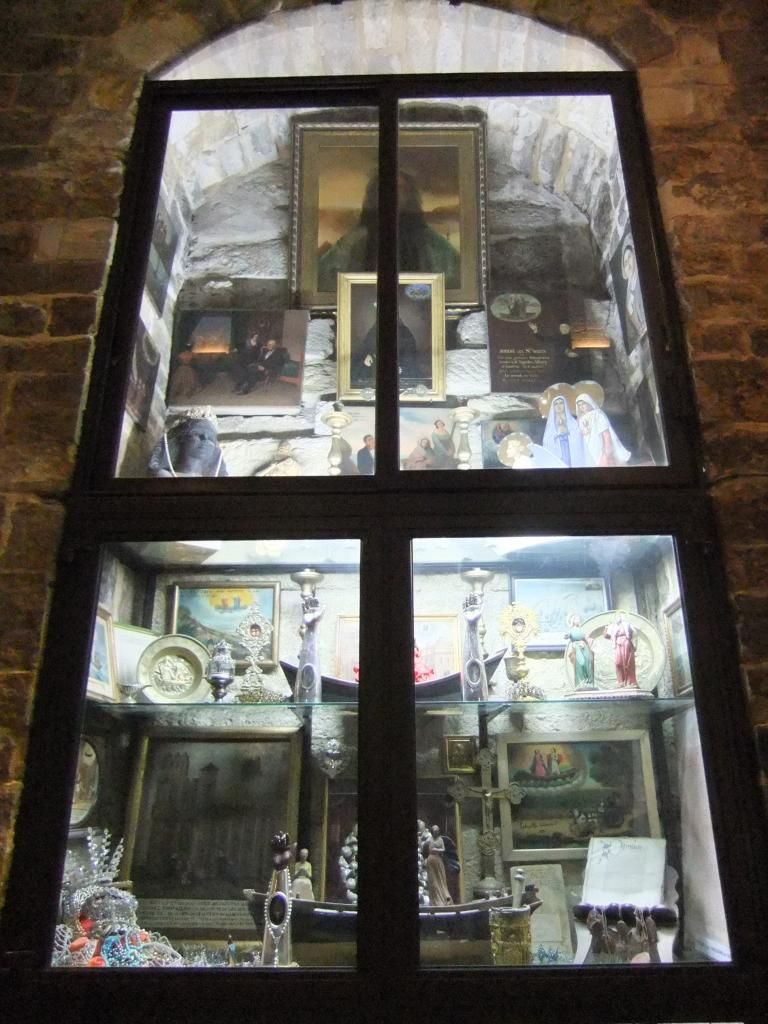
A relic display.
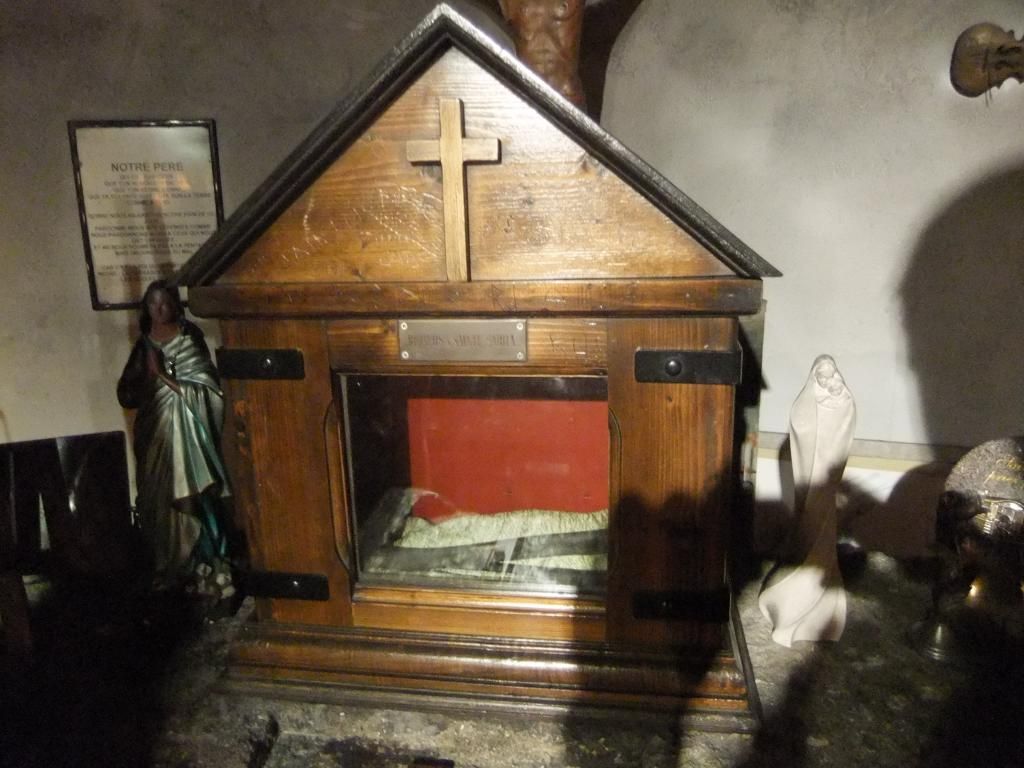
Bone of a Saint?
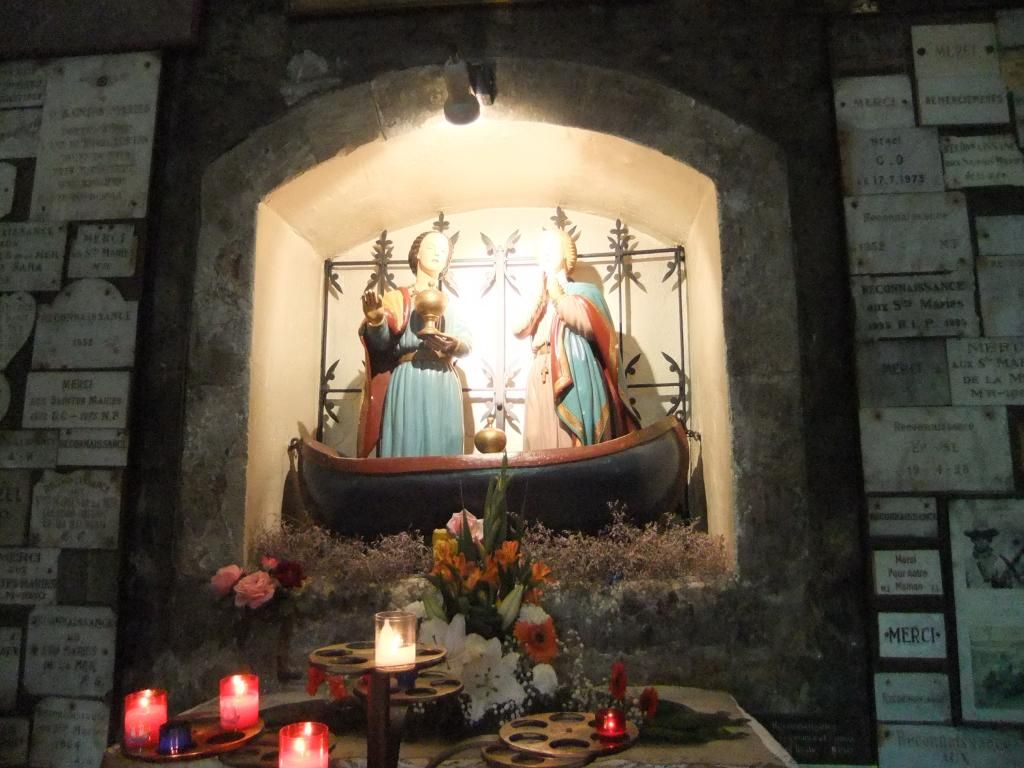
Two of the Marys arriving by boat?
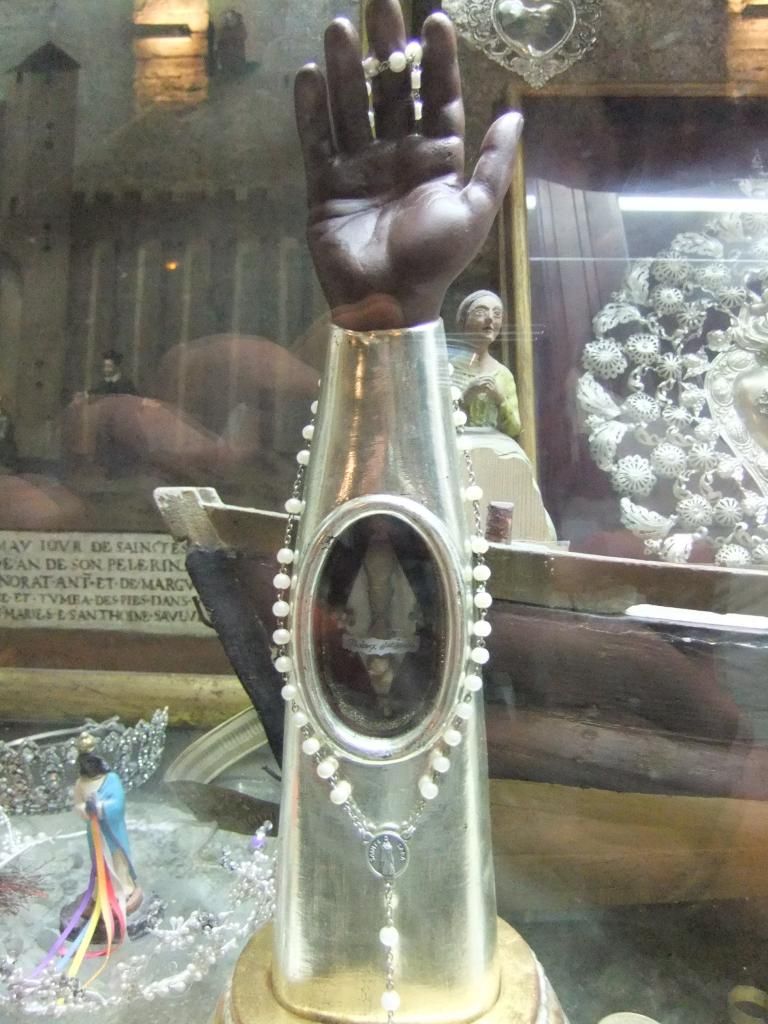
Relic of Saint Sara.
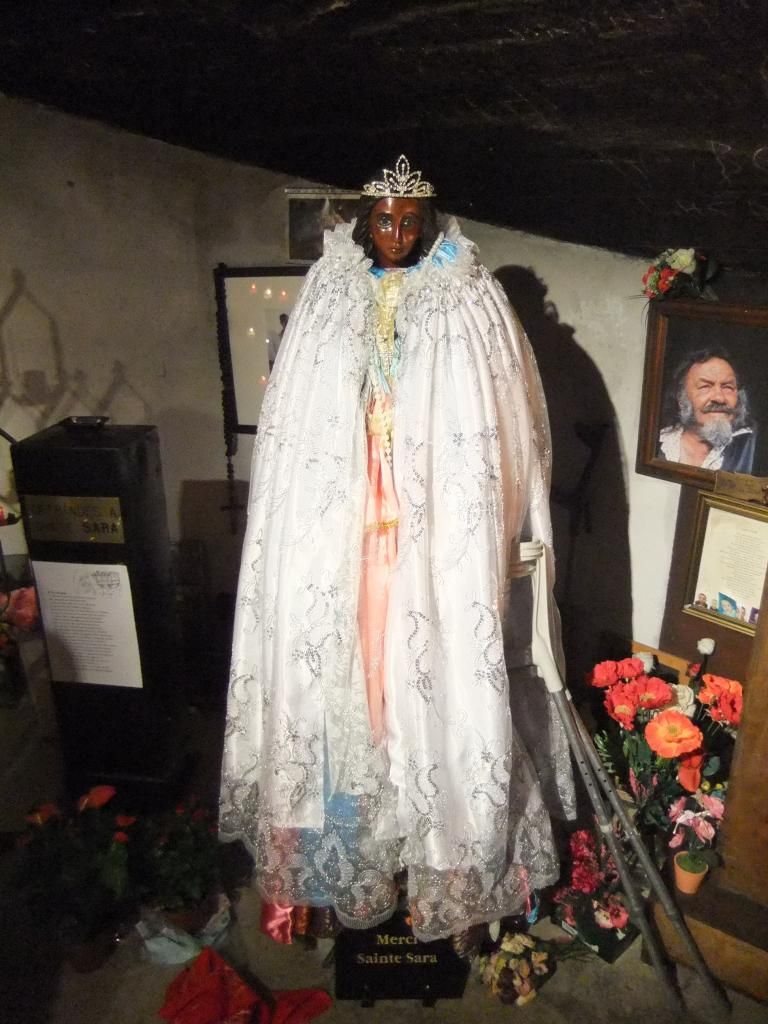
Statue of Saint Sara.

Saintes-Maries-de-la-Mer has also featured on Andrew May’s Forteana Blog.

Pictures, France (October 2012).

If you find this post interesting please share it using the buttons below.

Wednesday, 9 January 2013

A French Monolith

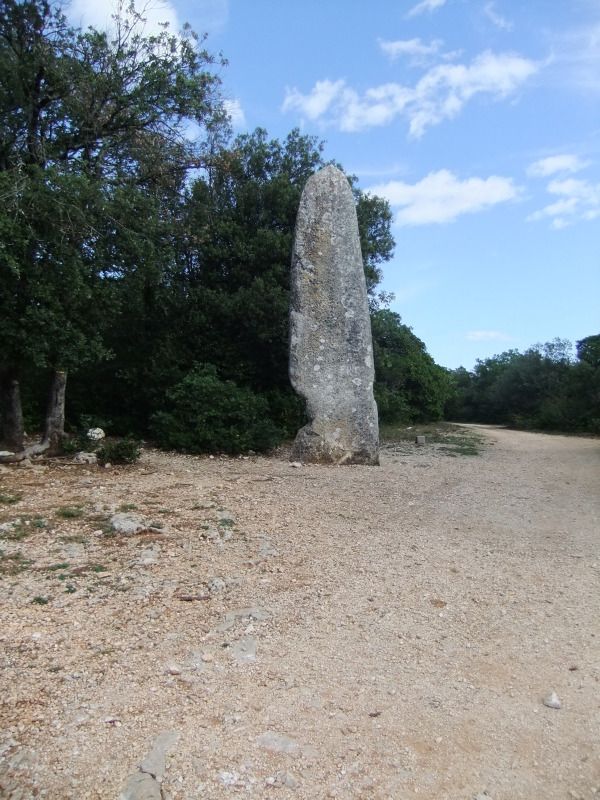
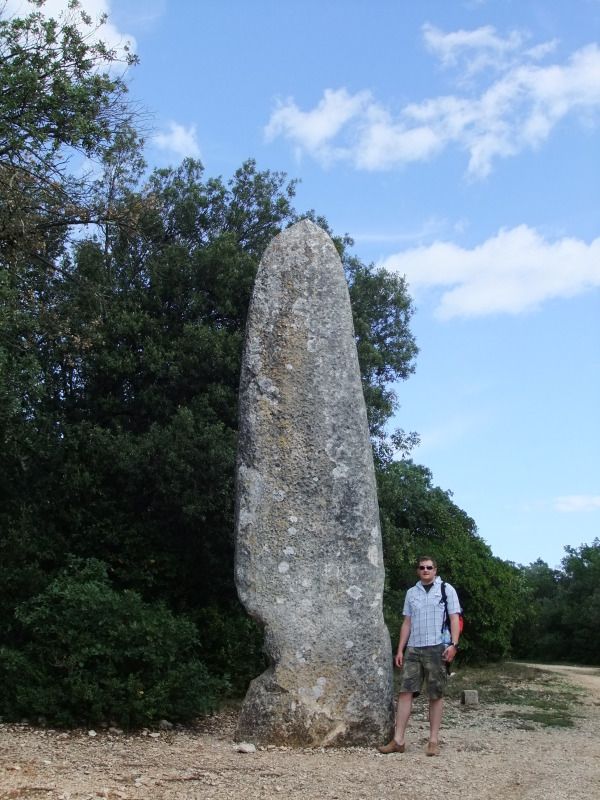
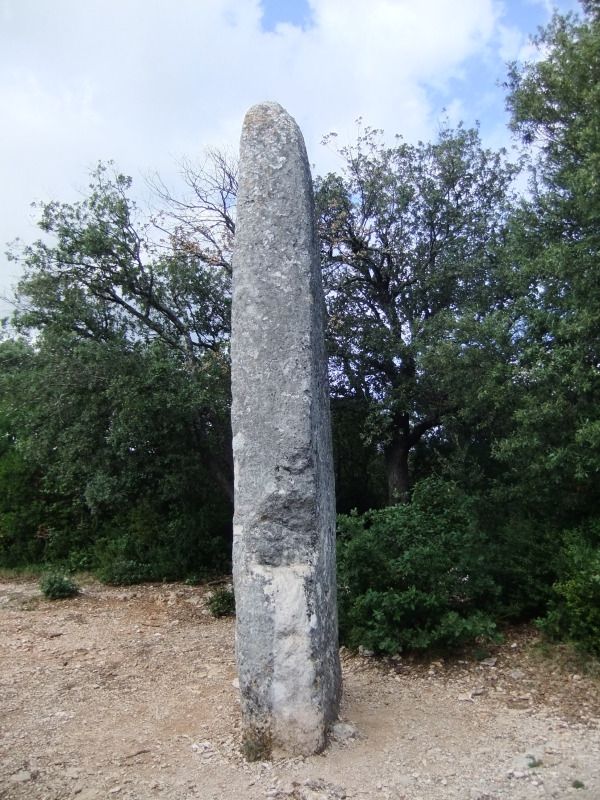
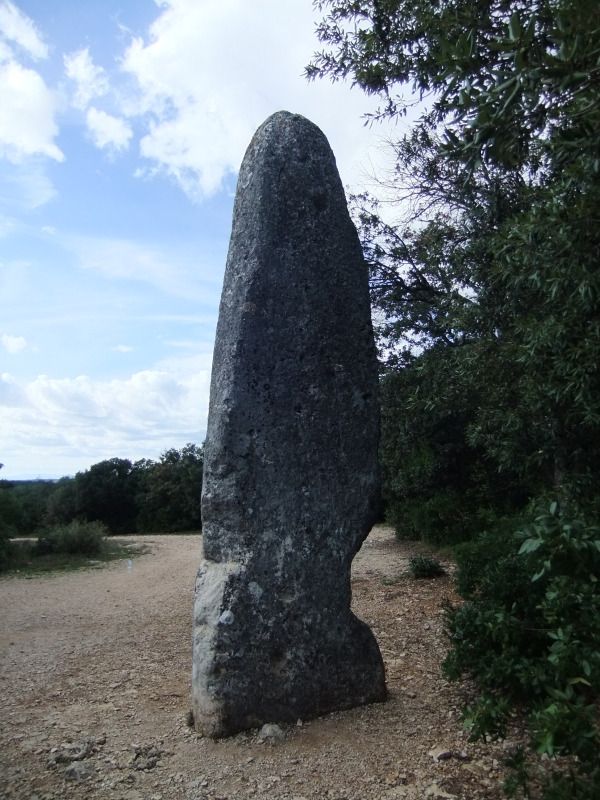
One thing that Britain and France have in common is the prevalence of standing-stones that are dotted about the countryside. During a recent holiday to France me and Mrs J came across this rather impressive example. This menhir (French for long stone/tall upright megalith) is known as the “Pierre Plantée de Lussan” or “menhir de la Lèque“ (as it is located near the hamlet of La Lèque and the village of Lussan). The menhir is an impressive 5.6 metres high, making it the tallest standing stone in the department of Gard. This menhir is believed to date from around 2300 to 1800 years BC.
The menhir.
The menhir in comparison to a 6'4" measuring "stick".
Side on.
Around the back.
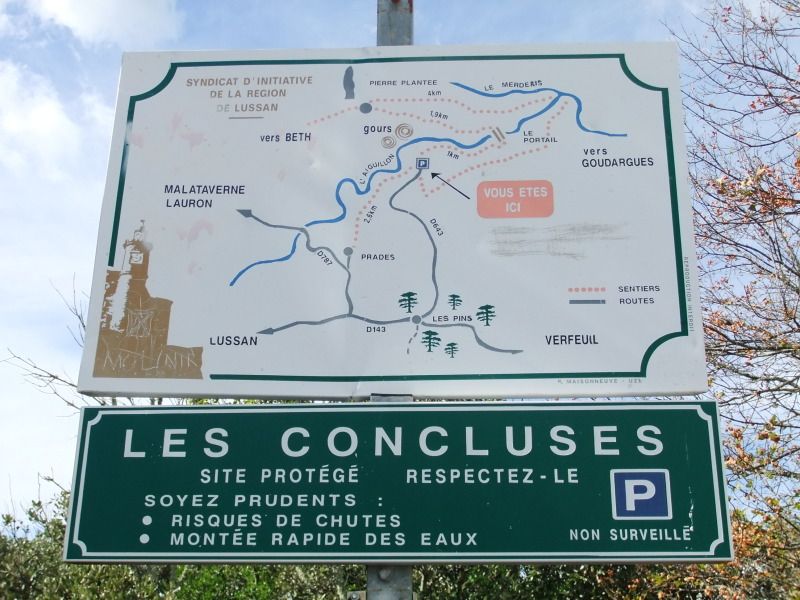
Local information board.

Pictures, France (October 2012).

Wednesday, 26 December 2012

Weirdness at Versailles

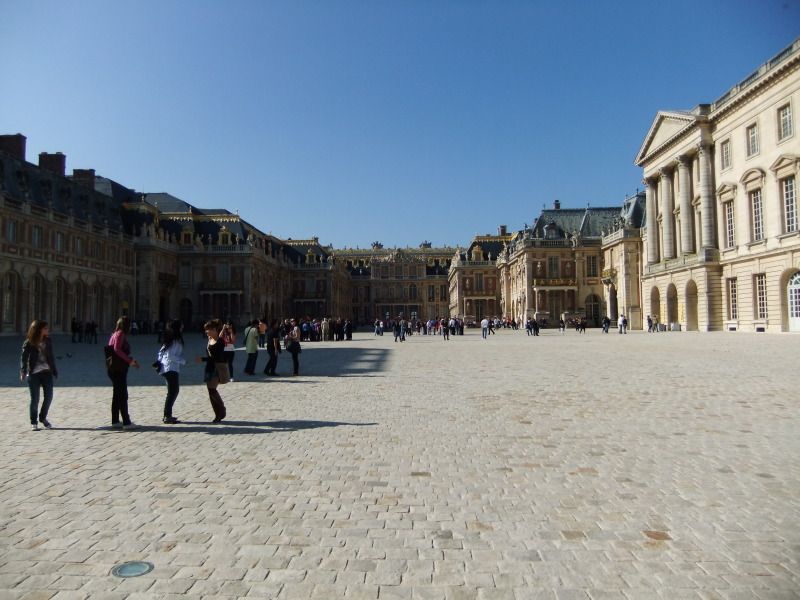
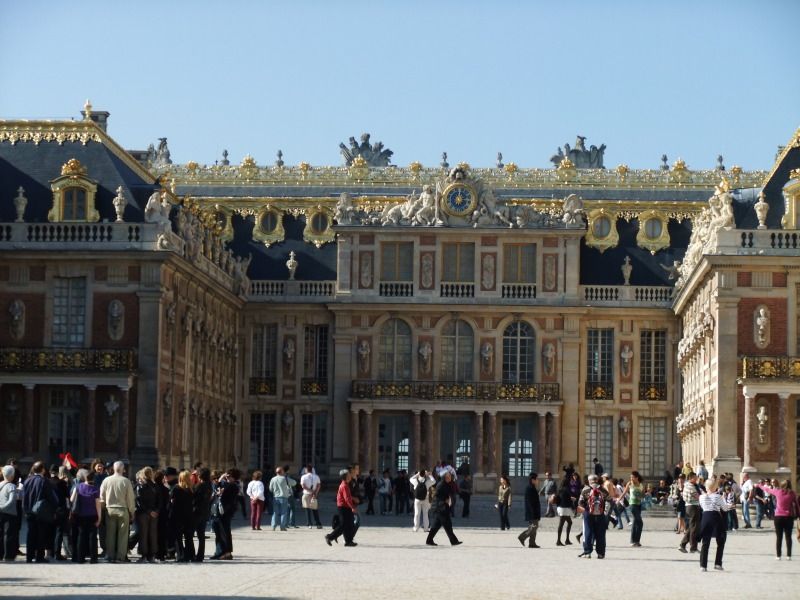
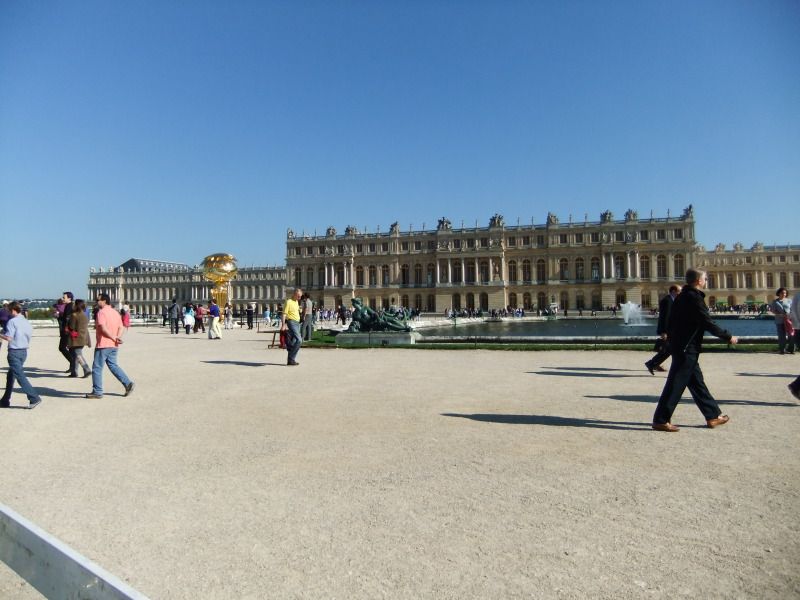
The below photos show the popular tourist destination of the Palace of Versailles, which lies about 12 miles southwest of Paris. The palace began life in the1600’s and became the centre of France’s political power in 1682 when Louis XIV moved to Versailles. The palace remained the seat of power until 1789, when the French Royal Family eventually moved back to Paris.

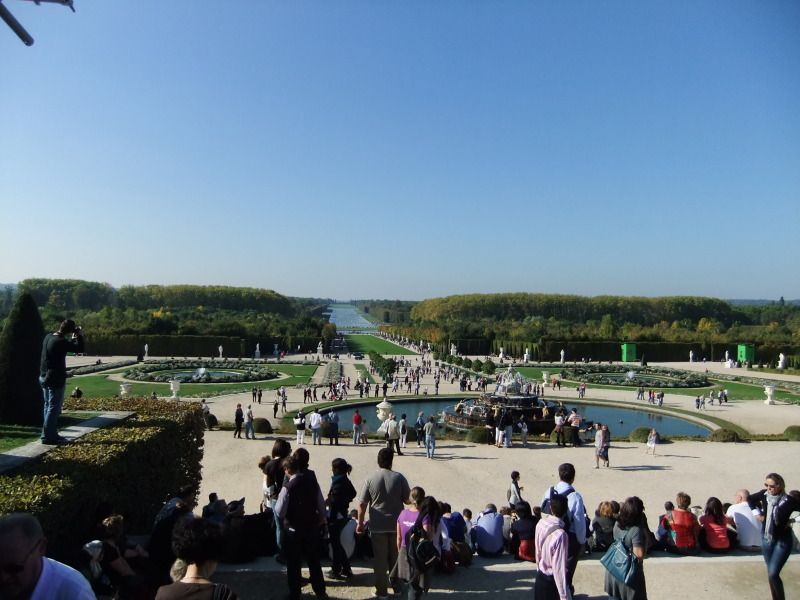
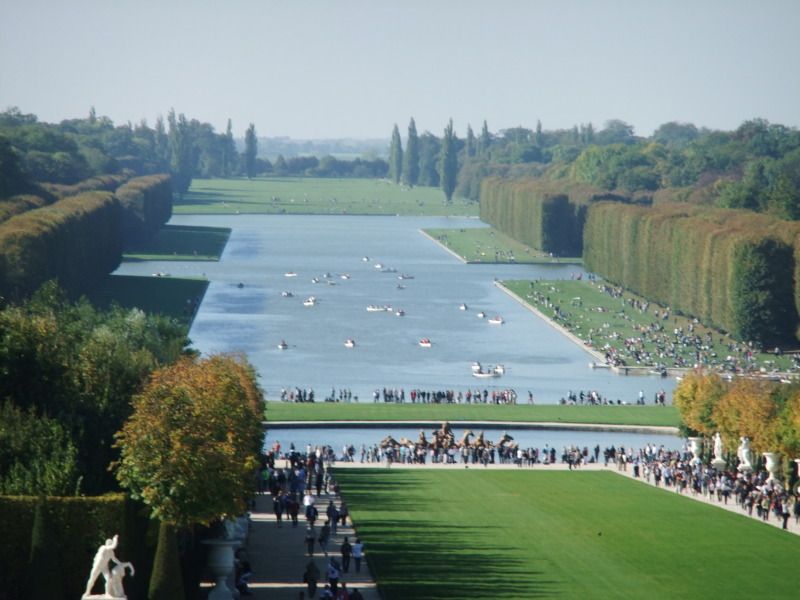
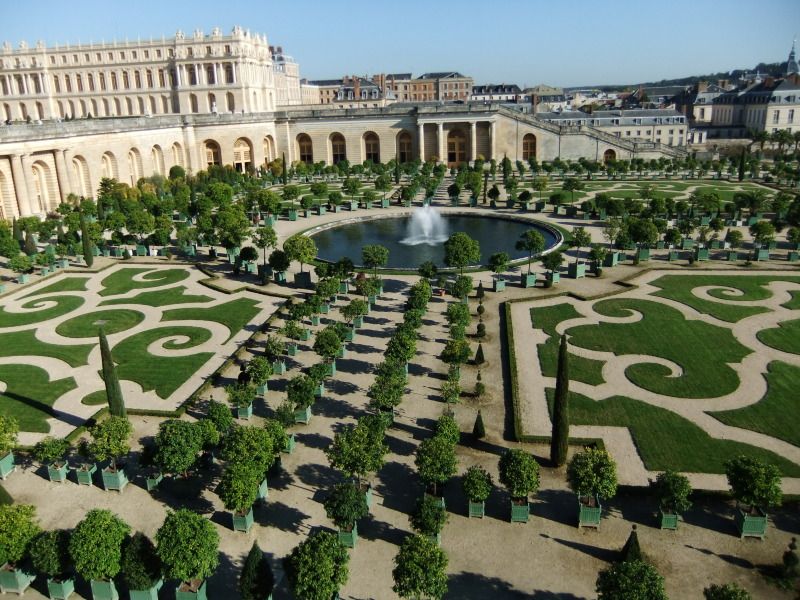
Of all the places that I have visited on my travels, most have left me feeling under-whelmed. The Palace of Versailles however (well more specifically the gardens of the palace), is the only place to date that has really made me say "wow". When you first stand at the back of the palace and look downhill at the ornate gardens and the lake which stretches seemingly to the horizon, it is an impressive sight.

I am not the first person to be awe-stuck by the gardens however.

On the 10th August 1901 two female academics Charlotte Anne Moberly (1846–1937) and Eleanor Jourdain (1863–1924) visited the Palace and they had a very odd encounter during their tour of the gardens. After touring the palace, the women decided to walk through the gardens and they soon became disorientated. While trying to gather their bearings the pair reportedly experienced a “timeslip”, encountering buildings, a bridge and people (including Marie Antoinette) which did not seemingly exist in 1910. It is reported that on subsequent visits to the palace the pair could not re-trace the path that they had taken, nor locate the landmarks that they had seen, leading to the question did they really experience a step back in time or were they simply mistaken?

Palace courtyard.
Palace courtyard.
Palace rear aspect.
"Oval Buddha".
First view of Palace gardens.
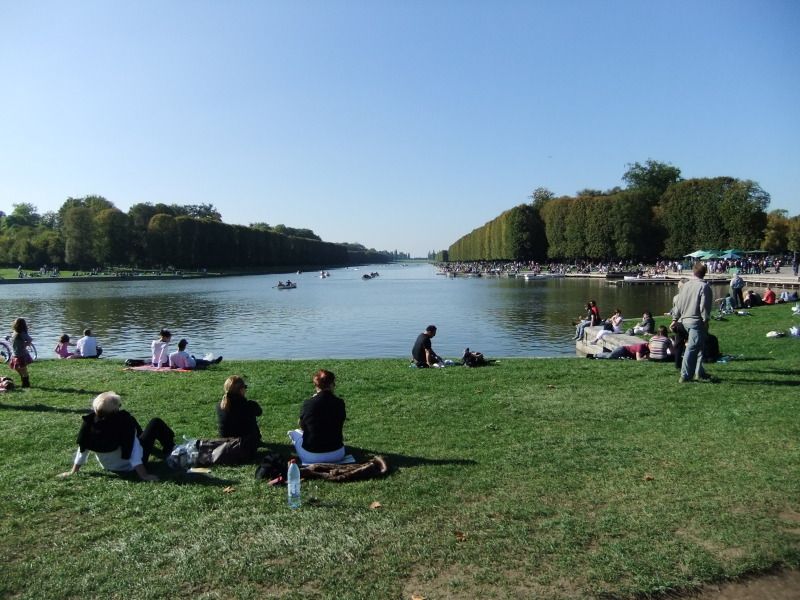
The lake.
The lake.
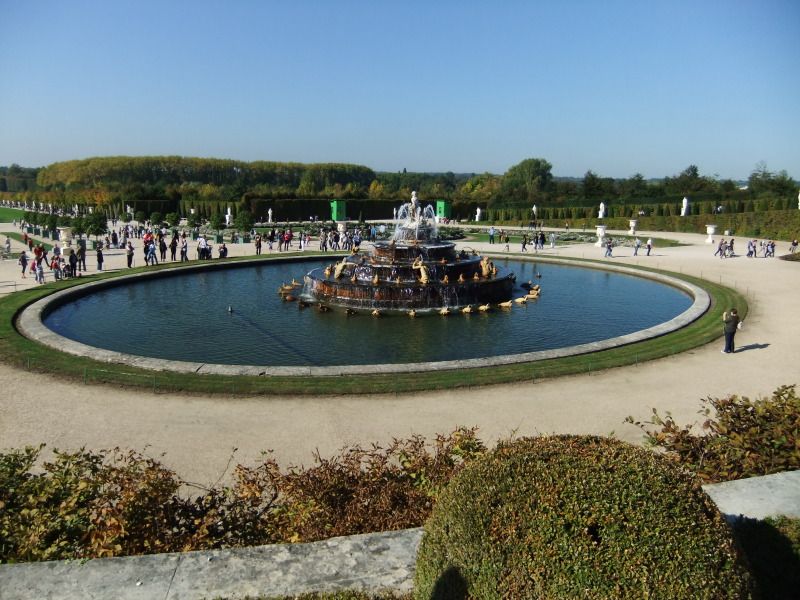
Main fountain.
Citrus garden.

Pictures, France (October 2010).