“Random encounters with the unusual” is a repository for the oddities that me and Mrs J have encountered on our travels, which we find interesting or amusing in some way. Have a look, maybe you will find something interesting or amusing herein.

Showing posts with label Mexico. Show all posts

Sunday, 1 December 2013

Uffington's Mexican Twin

Back in September I conducted “An Armchair Tour of Britain’s White Horses” using the power of Google Maps to locate the horses. This tour included Britain’s most ancient white horse, the Uffington White Horse, which is located on the slopes of White Horse Hill near the village of Uffington in Oxfordshire.

Whilst browsing the Internet I was recently surprised to find that the Uffington White Horse has been reproduced in Mexico. This Mexican reproduction can be found approximately 10 miles south west of El Paso in Texas and about 10 miles due east of Ciudad Juarez in northern Mexico. The Mexican version of the Uffington White Horse has been painted in whitewash on the side of a mountain (unlike the original horse that was made by removing soil to expose the white chalk underneath). The original horse faces to the right, whilst its Mexican twin faces to the left. The Mexican horse is over half a mile long (960m), dwarfing the Uffington horse, which only measures in at 110m in length. The Mexican horse is said to have taken 2,600 gallons of whitewash and over three years to create, so no easy task!

Location (51.577723, -1.566601)
Location (31.662733, -106.587320)


Pictures, Google Maps (November 2013).

If you find this post interesting please share it using the buttons below.


Monday, 6 August 2012

The Serpent God of “Chicken Pizza”

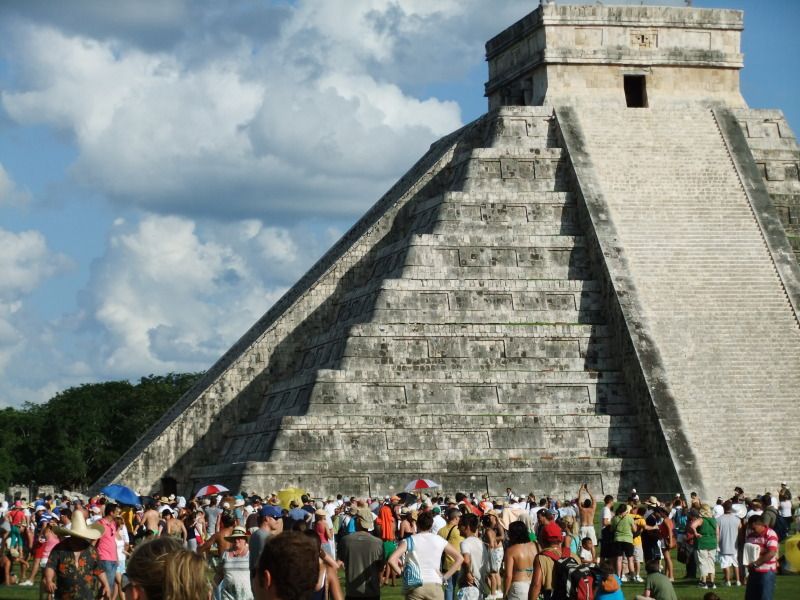
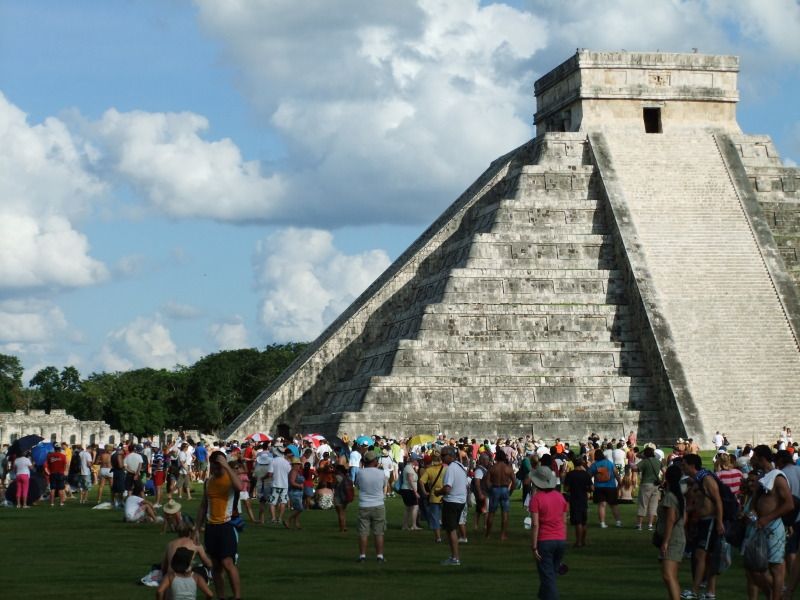
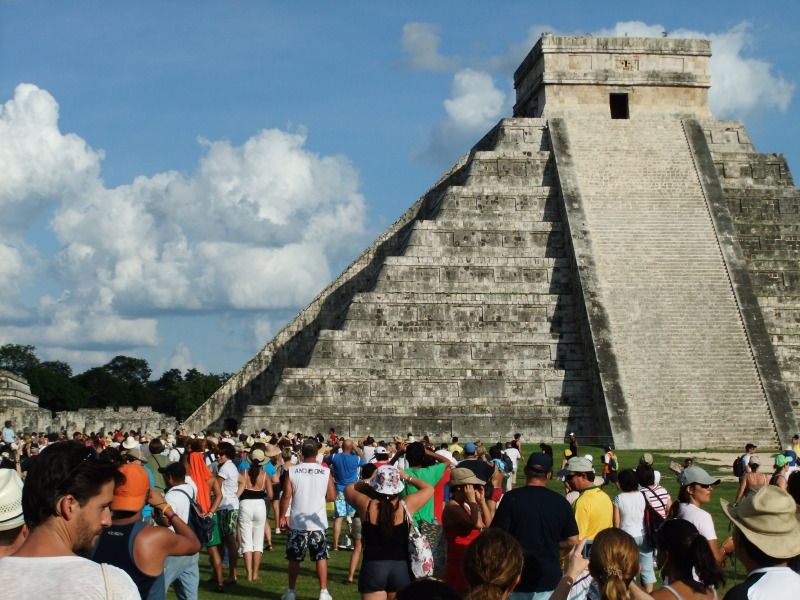
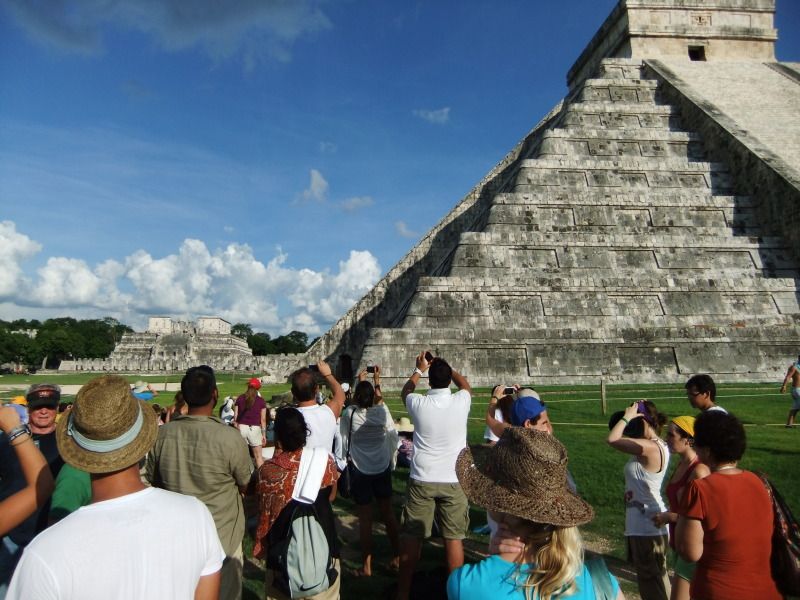
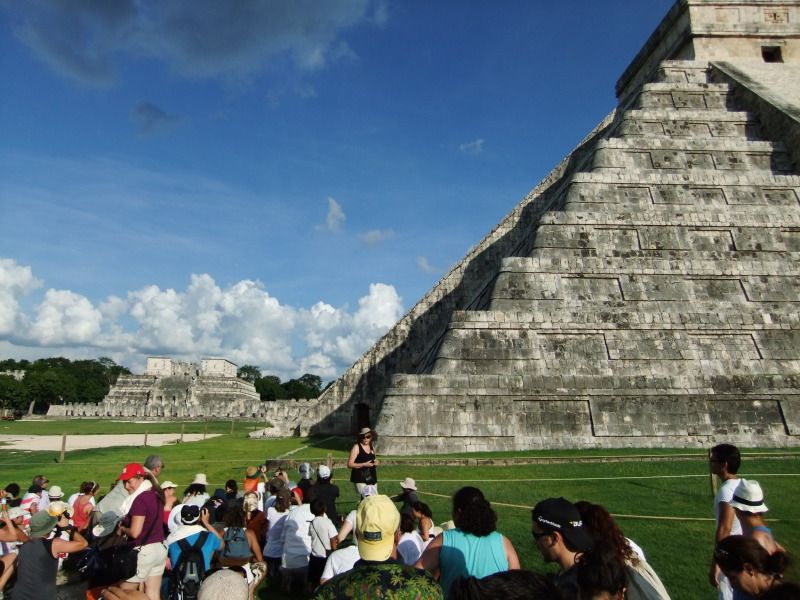
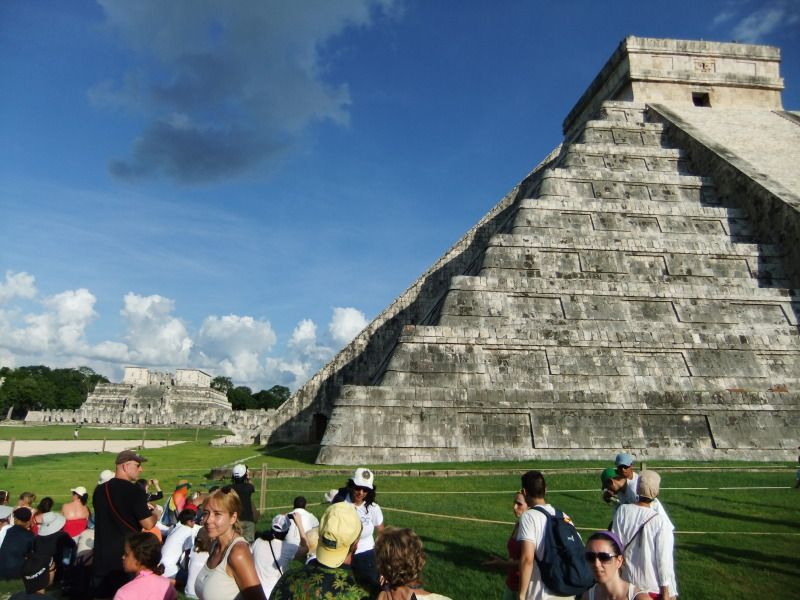
In September 2011 me & Mrs J were lucky enough to be able to visit the ancient Maya ruins at Chichén Itzá on the Yucatán Peninsula on the day of the Autumn Equinox. The complex of Chichén Itzá (often referred to as “Chicken Pizza” by tour guides and inept tourists) is around a thousand years old and is dominated by the Temple of Kukulkan, which is also known as El Castillo (pictured below).


The deity Kukulkan is depicted by the Maya as a feathered serpent, and pyramidal temple of El Castillo has a staircase on each of its faces which terminate in a pair of stone serpent heads (one of the stone heads is shown below).

On the day of the Autumn Equinox as the sun begins to set, the stepped sides of the pyramid give rise to a series of triangular shadows (projected against the side of the staircase) and as the sun lowers the triangular shadows become more pronounced. The ultimate effect is that the triangular shadows connect with the stone head at the base of the staircase to form a representation of the feathered serpent descending down the side of the pyramid. The below series of pictures show the triangular shadows slowly building to form the body of the serpent.

It is also interesting to note, that the temple is reputed to have 365 steps, (91 on each of the four sides of the temple and the top platform which makes the 365th) and is designed to represent the number of days in a year.

These pictures have also featured on Andrew May’s Forteana Blog.

Pictures, Mexico (September 2011).